SKIP TO CONTENT

info@nenasf.org
508-754-2671

NASF Public Policy Update December 29, 2021

Date: December 31, 2021
Category: Regulation

NASF Public Policy Update

December 29, 2021


As the year comes to a close, speculation abounds over whether the U.S. Supreme Court will block OSHA from enforcing its emergency COVID-19 workplace standard for large employers – the Court will hold a special hearing on January 7, 2022 as OSHA delays enforcement efforts until January 10, 2022. See the detailed update with an FAQ link further below.


Agencies: The Centers for Disease Control just updated its COVID-19 isolation and quarantine guidance that cuts from 10 to 5 days the recommended isolation period for asymptomatic individuals.


White House: President Biden signed bipartisan defense policy legislation authorizing $770 billion for the Pentagon.


Congress: Democrats are assessing options for advancing pieces of their economic and social agenda when they return from the holidays after failing to win passage of the $2.5 trillion package this year.


Action to Continue Next Year: This month’s update wraps up a year of action from NASF. Just a few notable recent developments of many more anticipated in 2022:


  • Congress took up legislation specifically targeting the surface finishing industry for the first time in recent memory with a focus on new discharge restrictions.


  • The Biden administration’s EPA launched a multi-year rulemaking to assess the impact of the finishing industry’s wastewater discharges as well on human health and the environment, with an option to impose more stringent controls.


  • California and other states have been increasingly active with proposed bans, product disclosure rules and other initiatives that will impact finishing.


The agenda in the coming year will be challenging and there will be much to accomplish. In January we’ll have some early indicators on what’s likely to unfold in the midterm election year.


December Issue Summary:


CDC Shortens Isolation and Quarantine Recommendations – The Centers for Disease Control (CDC) yesterday announced it was shortening its recommended isolation and quarantine periods for the general population.


OSHA’s COVID-19 Standard for Employers is Back On – In the latest decision in a flurry of litigation, the U.S. 6th Circuit Court of Appeals on December 17, 2021, reversed a nationwide stay that had prevented OSHA from implementing its COVID-19 Emergency Temporary Standard (ETS) for the workplace. OSHA has announced it will delay its enforcement efforts until January 10, 2022 as Supreme Court has scheduled an expedited review of the ETS for January 7, 2022.


President Biden Signed the $770 billion Defense Policy Bill – The President signed into law the annual National Defense Authorization Act (NDAA) this week. The legislation, which authorizes funding the Pentagon’s activities for fiscal year 2022, recently passed the Senate on December 15 by a wide margin of 88-11, adding $25 billion more than the White House originally requested.


EPA Prepares for Drinking Water Standard for PFAS – EPA released stringent health-based levels to serve as guidance for setting drinking water standard for PFOS and PFOA.


EPA Looks to Expand RCRA Corrective Action Authority to Address PFAS Contamination – EPA announces that it intends to list four PFAS as hazardous constituents under federal hazardous waste laws and expand its corrective action authority for cleanup of releases of PFAS and other emerging contaminants.


ProPublica Releases Map of Toxic “Hotspots” from Industrial Air Emissions – Areas identified by zip-code are described as “sacrifice zones” that threaten disadvantaged communities with industrial air emissions.


EPA Proposes to Formally Scrap Trump “Waters of the US” Rule – EPA signed a proposed rule to scrap the Trump-era WOTUS rule and replace it with pre-2015 regulations until it can develop a new revised WOTUS rule.


More details on these topics are below:


CDC Shortens Isolation and Quarantine Recommendations


The Centers for Disease Control (CDC) announced this week it was shortening its recommended isolation and quarantine periods for the general population.


The CDC’s statement lays out the new guidance, which recommends five days of isolating instead of 10 for people who have tested positive for Covid-19 but are asymptomatic. The CDC’s actual Isolation Guidance webpage, however, was not yet updated at press time.


Among other highlights the CDC statement notes that “[b]oth updates [to the isolation and quarantine periods] come as the Omicron variant continues to spread throughout the U.S. and reflects the current science on when and for how long a person is maximally infectious.”


The CDC statement, including summaries and graphics for easy reference, can be found here.


OSHA Vaccine Mandate Rule Back On, U.S. Supreme Court Schedules Expedited Hearing


OSHA’s issuance on November 5, 2021 of its long-anticipated emergency temporary standard for COVID-19 spawned a wave of litigation that has left many employers confused and frustrated.


Lower courts have since been split on the constitutionality of the standard which, as we summarized in last month’s report, requires a vaccine-or-test requirement for employers with more than 100 employees.


In response to a number of lawsuits, the 5th Circuit Court of Appeals issued a temporary stay of OSHA’s enforcement, which was directly followed by the 6th Circuit Court of Appeals decision on December 17, 2021, that allowed the rule to go forward.


In response to petitioners’ requests to reinforce the stay, the U.S. Supreme Court has now scheduled a special hearing for a group of federal vaccine mandate cases on January 7, 2022.


OSHA Enforcement Discretion until January 10, 2022


OSHA has clarified that it will use its enforcement discretion and not issue citations for violations regarding ETS testing requirements until Jan. 10, 2022, if employers are exercising “reasonable, good-faith efforts” to come into compliance with the standard.


More guidance will be made available in early January in light of the upcoming oral arguments before the Court and other likely announcements. In the meantime, NASF members with more than 100 employees should consider any steps that might be be taken to ensure compliance with OSHA’s vaccine and testing mandates in the event the emergency standard survives in the coming weeks.


To assist members in understanding the basics and finer points of the standard, our colleagues at Conn Maciel Carey in Washington have shared an extensive list of Frequently Asked Questions for companies to consult.


President Biden Signs Bipartisan $770 Billion Defense Policy Bill


The President this week signed into law the annual National Defense Authorization Act (NDAA) this week. The legislation, which authorizes funding for the Pentagon’s activities for fiscal year 2022, passed the Senate on December 15 by a wide margin of 88-11.


An earlier version passed the House by a vote of 316-113 in September. The bill authorizes $25 billion more than the White House originally requested. A summary of the bill can be found here.


The show of bipartisan support may nudge congressional leaders toward a compromise package on federal spending bills, none of which have yet been agreed to – Congress instead has passed two short term bills to keep the government funded at last year’s levels until its self-imposed deadline of February 18.


EPA Releases Draft Health-Based Levels for PFAS in Drinking Water


As part of its PFAS Strategic Roadmap, EPA committed to developing a proposed drinking water standard for PFOS and PFOA by Fall 2022 and a final standard by Fall 2023.


As part of this process, EPA must first set a health-based maximum contaminant level goal (MCLG).  The Safe Drinking Water Act (SDWA) requires EPA to consider cost and technical feasibility when setting maximum contaminant levels (MCLs) as the enforceable drinking water standard.


Draft Values Much Lower


EPA recently released draft risk values for PFOS and PFOA that are orders of magnitude lower than EPA calculated in 2016, raising potential new challenges for drinking water utilities.


EPA is proposing a reference dose (RfD) (or greatest amount an adult can ingest daily over the course of a lifetime without health risks) of 1.5 x 10⁻⁹ milligrams/kilograms (mg/kg)-day for PFOA and an RfD of 7.9 x 10⁻⁹ mg/kg-day for PFOS.


This is significantly more stringent than the RfD values of 2 x 10⁻⁵ mg/kg-day for both chemicals that EPA used in setting its 2016 lifetime health advisories of 70 ppt for the chemicals.


Using the same formula EPA used in developing the 2016 health advisories, and adjusting it to be protective of children, would result in a range of 6 to 7 parts per quadrillion (ppq), or 0.006 to 0.007 ppt, for PFOA and 30 to 37 ppq, or 0.030 to 0.037 ppt, for PFOS — levels that are below most laboratories’ detection limits.


Furthermore, if EPA finalizes its proposed health-based conclusion that PFOA is a likely carcinogen, then the MCLG would be zero. However, any final enforceable drinking water standard would most likely be some number above zero because economic and technical feasibility considerations for setting the MCLs. Many environmental organizations have advocated for an MCL of 1 ppt for all PFAS.

Non-enforceable Health Advisories are De Facto Limits


In addition to any MCLG, EPA is also likely to issue revised non-enforceable health advisories before setting MCLs. Even though the health advisories are non-binding, for drinking water utilities they are in practice de facto MCLs due to public pressure.


With more stringent PFOA and PFOS health advisories, as well as an upcoming first-time health advisory for additional PFAS, utilities will be forced to make decisions about whether to take contaminated wells offline or to buy wholesale water from other suppliers.


On November 16, 2021, EPA released a press release indicating that it had submitted the draft risk values for PFOS and PFOA to the Science Advisory Board (SAB).


Outlook for Action


While the agency has not set a target date for revised PFOA and PFOS advisories, EPA has indicated that it “will move as quickly as possible to issue updated health advisories for PFOA and PFOS that reflect” the new science and input from the agency’s Science Advisory Board, which is scheduled to review the PFOS and PFOA documents in December 2021 and January 2022.


While EPA has a lot of work to do before it can issue a proposed drinking water standard for PFOS and PFOA next year, it appears that the MCLG and likely health advisories for PFOS and PFOA in drinking water could be very stringent (and possibly below detection limits).


NASF will continue to work with EPA officials and provide critical updates on this rulemaking to NASF members.


If you have any questions or would like more information regarding the draft health-based levels that will be used to set drinking water standards for PFOS and PFOA, please contact Jeff Hannapel or Christian Richter with NASF at jhannapel@thepolicygroup.com or crichter@thepolicygroup.com.


EPA to List PFAS as RCRA Hazardous Constituents and Trigger Broader Corrective Action Authority


EPA in October responded to a petition submitted by the Governor of New Mexico by announcing that it would initiate two new rulemakings under the Resource Conservation and Recovery Act (RCRA) related to perfluoroalkyl and polyfluoroalkyl substances (PFAS).


The Agency has not yet formally proposed either rule.


Rulemaking to Add Four PFAS Chemicals to the RCRA List of Hazardous Constituents


EPA announced it intends to add four PFAS chemicals: PFOA, PFOS, PFBS, and GenX to the list of RCRA “hazardous constituents” (40 C.F.R. Part 261, Appendix VIII).


EPA has not indicated that it intends at this time to list the four chemicals as “hazardous wastes” that would be subject to the full range of regulatory controls under Subtitle C of RCRA.


Listing the chemicals as hazardous constituents would, however, trigger cleanup authority under the RCRA “corrective action” program.


Under the RCRA corrective action program, permitted treatment, storage or disposal of hazardous waste must institute corrective action as necessary to protect human health and the environment for all releases of hazardous waste or constituents from any solid waste management unit at the facility.


Accordingly, listing the PFAS chemicals as hazardous constituents would allow the use of the RCRA corrective action program to cleanup releases of PFAS.


Rulemaking to Broaden RCRA Corrective Action Authority


In its October 26, 2021 response to the Governor of New Mexico, EPA also announced that it would initiate a rulemaking to “clarify” that the corrective action program provides authority to require investigation and cleanup for wastes that meet the RCRA statutory definition of hazardous waste, rather than just wastes that meet the narrower regulatory definition that establishes the scope of EPA’s hazardous waste management standards under RCRA Subtitle C.


This would apparently amend the rules to apply the broader statutory definition for purposes of corrective action. If such a change were adopted, EPA could potentially require permitted facilities to undertake corrective action not only for releases of wastes that are listed as hazardous wastes or characteristically hazardous (as well as for releases of listed hazardous constituents, as discussed above), but also for releases of wastes covered by the broad statutory definition of hazardous waste.


Accordingly, EPA could potentially address releases of all PFAS chemicals (not just the four listed as hazardous constituents) as well as other emerging contaminants of concern without going through the process of listing them as hazardous constituents and without expanding the hazardous waste listings or characteristics.


This potential rulemaking to broaden RCRA corrective action authority to cover PFAS and other emerging contaminants could have significant impacts for facilities where these chemicals were used.


Regulatory agencies could have an additional enforcement tool to require the cleanup of PFAS that have been released to the environment. NASF will continue to monitor this rulemaking effort and provide updates to NASF members. If you have any questions or would like additional information on this issue, please contact Jeff Hannapel with NASF at jhannapel@thepolicygroup.com.


New Map Released of Toxic Hotspots from Industrial Air Emissions


Investigative journalist group ProPublica has released an analysis indicating where toxic air pollution is emitted from industrial sources and could be elevating cancer risk in their communities. The report and detailed map are available on the ProPublica website at: https://projects.propublica.org/toxmap/.


ProPublica’s analysis of five years of modeled EPA data identified more than 1,000 toxic hot spots across the country and found that an estimated 250,000 people living in them may be exposed to levels of excess cancer risk that the EPA deems unacceptable.


The EPA’s threshold for an acceptable level of cancer risk is 1 in 10,000, meaning that of 10,000 people living in an area, there would likely be one additional case of cancer over a lifetime of exposure.


EPA has also said that the added level of cancer risk from air pollution should be far lower, 1 in a million. The ProPublica map highlights areas where the additional cancer risk is greater than 1 in 100,000 — 10 times lower than the EPA’s threshold.


The group argues that the EPA has never released this data in a way that allows the public to understand the risks of breathing the air where they live.


Using the reports submitted between 2014 and 2018, ProPublica calculated the estimated excess cancer risk from industrial sources across the entire country. Individual manufacturing facilities can be identified through a search of zip codes. In many cases the risks identified by this report may be significantly overestimated.


The group also asserts that the EPA allows polluters to turn neighborhoods into “sacrifice zones” where residents breathe carcinogens. The report claims that census tracts with majority non-white populations experience about 40 percent more cancer-causing industrial air pollution on average than tracts where the residents are mostly white.


Environmental advocacy groups and community organizations are using this tool to identify areas of potential concern with an emphasis on environmental justice. It may be advisable to review this report and map to ensure that the information provided for your area is accurate.


If you have any questions or would like additional information on the report and map of toxic hotspots, please contact Jeff Hannapel or Christian Richter with NASF at jhannapel@thepolicygroup.com or crichter@thepolicygroup.com.


EPA Scraps Trump “Waters of the US” Rule and Intends to Propose Refined Definition 


On November 18, 2021 EPA and the Army Corps of Engineers, signed a proposed rule that would scrap the Trump-era Navigable Waters Protection Rule (NWPR), and replace it with more restrictive pre-2015 rules.


The Trump Administration repealed the 2015 Waters of the United States (WOTUS) rule in 2019, and in June 2020, replaced it with the new NWPR that narrowed the definition of WOTUS that were subject to federal authority under the Clean Water Act. The NWPR was the subject of substantial legal challenges and recent federal court rulings vacated the Trump-era rule.


This recent action to scrap the NMPR is the next step to solidify the rules of the road for a stable implementation of WOTUS while the agencies continue to consult with stakeholders to refine the definition of WOTUS in both implementation and future regulatory actions.


Outreach to Achieve a Durable Definition


EPA chief Michael Regan noted that “whiplash” from shifting definitions of WOTUS has created uncertainty and that EPA is continuing outreach to find a definition that protects public health and the environment, including downstream communities, while supporting agriculture and other industries reliant on clean water.


Earlier this year Reagan said that EPA does not intend to simply pull the Obama rule off the shelf after the agency has learned so much over the years.


Changes to the rule are anticipated because Regan that EPA officials have learned lessons from both versions of the rule, have seen complexities in both approaches, and have determined that both rules did not necessarily listen to the will of the regulated community and public interests.


EPA’s action decision drew a partisan response, with Republicans warning the rule would frustrate infrastructure and Democrats stating that the proposal paves the way to develop a definition that provides certainty and better protects our nation’s precious waters and wetlands, while also supporting economic opportunity and industries that depend on clean water.


It is not clear yet when EPA will release a new definition for what constitutes a “water of the U.S.,” and which wetlands and streams will be protected under the rule. It is likely that the new WOTUS rule will more closely resemble the 2015 Obama WOTUS rule compared to the 2020 Trump WOTUS rule.


More information on WOTUS and recent regulatory action is available on the EPA website at www.epa.gov/wotus. If you have any questions or would like additional information about the WOTUS rule development process, please contact Jeff Hannapel at jhannapel@thepolicygroup.com.


Support the NASF 1000 Today!


The NASF 1000 program was established to ensure that the surface finishing industry would have resources to effectively address regulatory, legislative and legal actions impacting the industry, NASF members and their workplaces. All funds from the NASF 1000 program are used exclusively to support specific projects and initiatives that fall outside the association’s day-to-day public policy activities.


The commitment to this program is one of the most vital contributions made in support of surface finishing and directly shapes the future of the industry. The sustained commitment from industry leaders has helped the NASF remain strong and credible in informing regulatory decisions across the nation.


Specific projects funded through the NASF 1000 make a measurable difference in how the industry navigates emerging challenges, communicates credibly with policy makers, and advocates for a strong science base for rules or standards that affect surface finishing.


Please consider supporting the NASF 1000 program.

___________________________________________


If you have any questions or would like additional information on this or membership matters, please contact Christian Richter at crichter@thepolicygroup.com, Jeff Hannapel with NASF at jhannapel@thepolicygroup.com.
2021 New England Surface Finishing Regional & Annual Foundation Award

Date: November 19, 2021
Category: Chapter News, Events, NASF Chapters

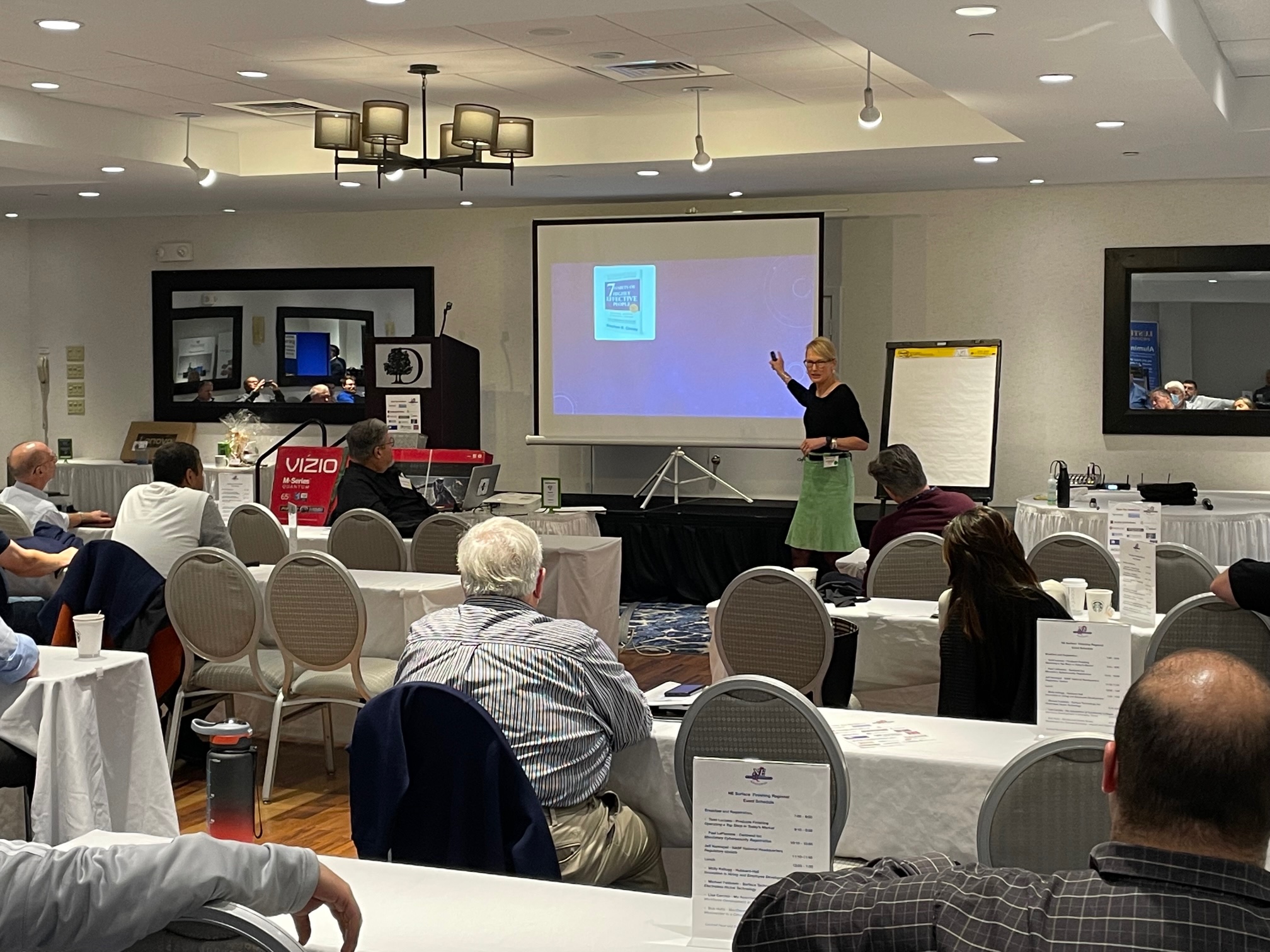
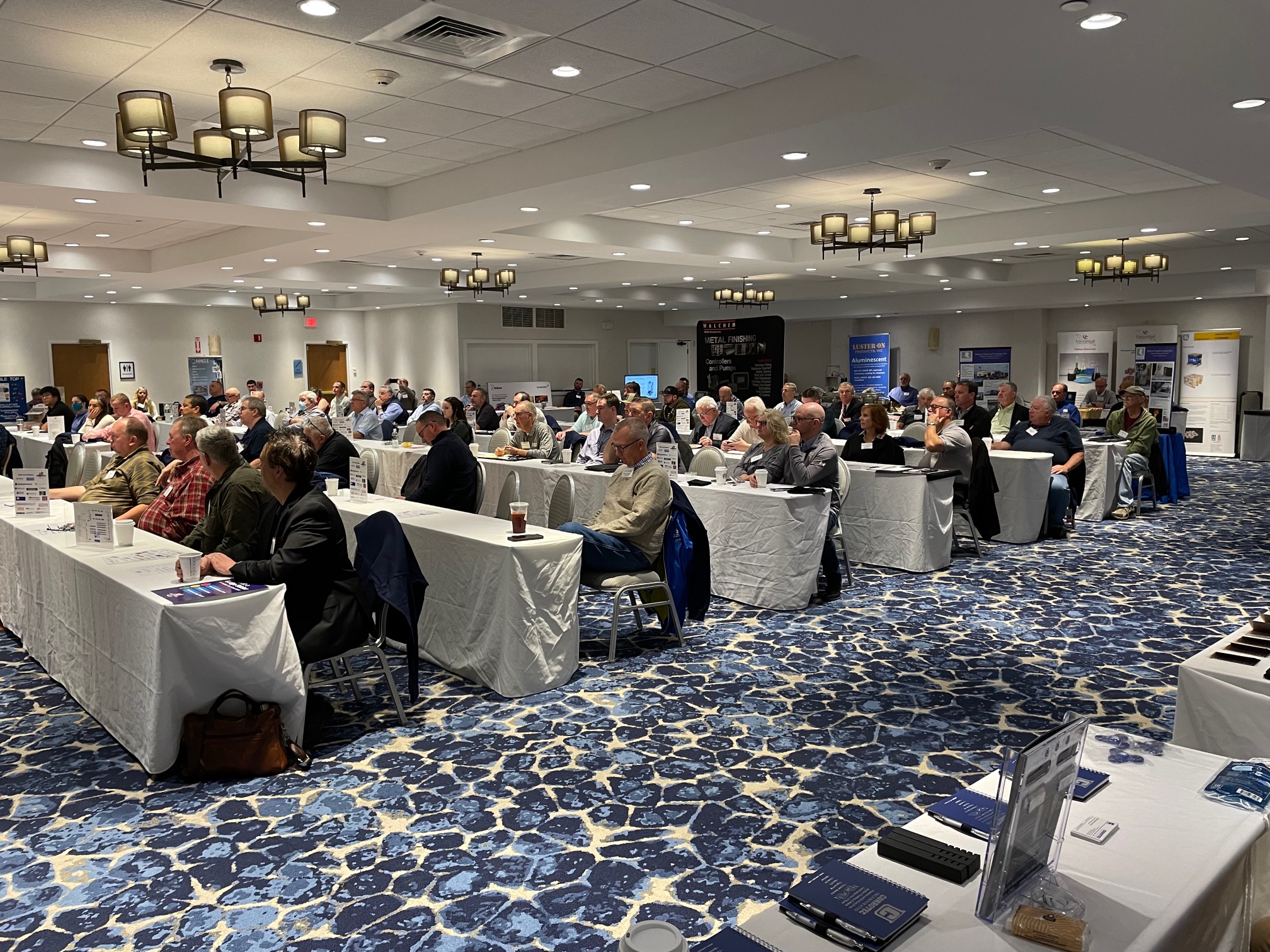
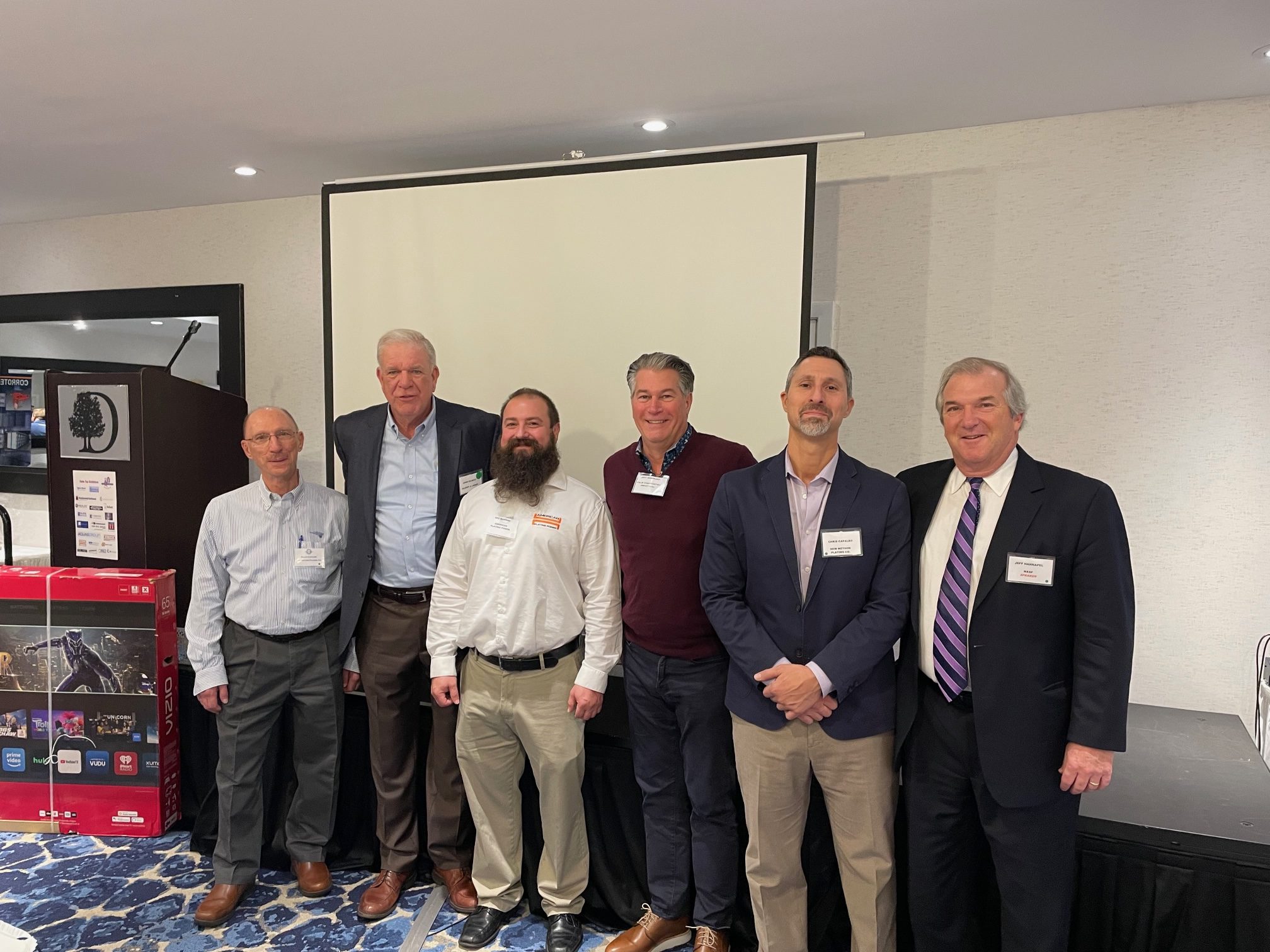
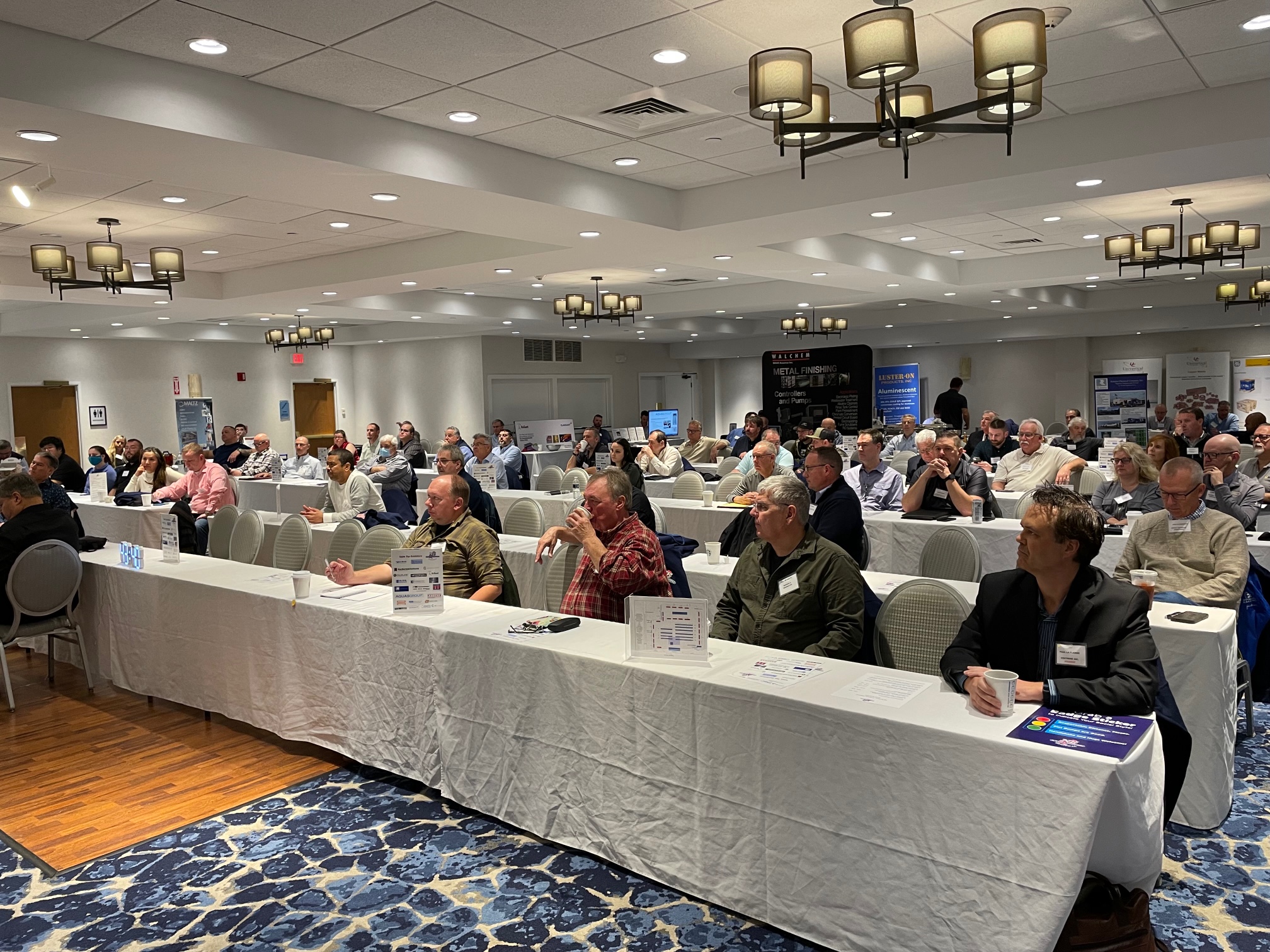
The event took place this past November 12rd in Hyannis, MA. It was a huge success with over 100 people in attendance. There were speakers from all over the country that delivered educational and thoughtful presentations to all in attendance.

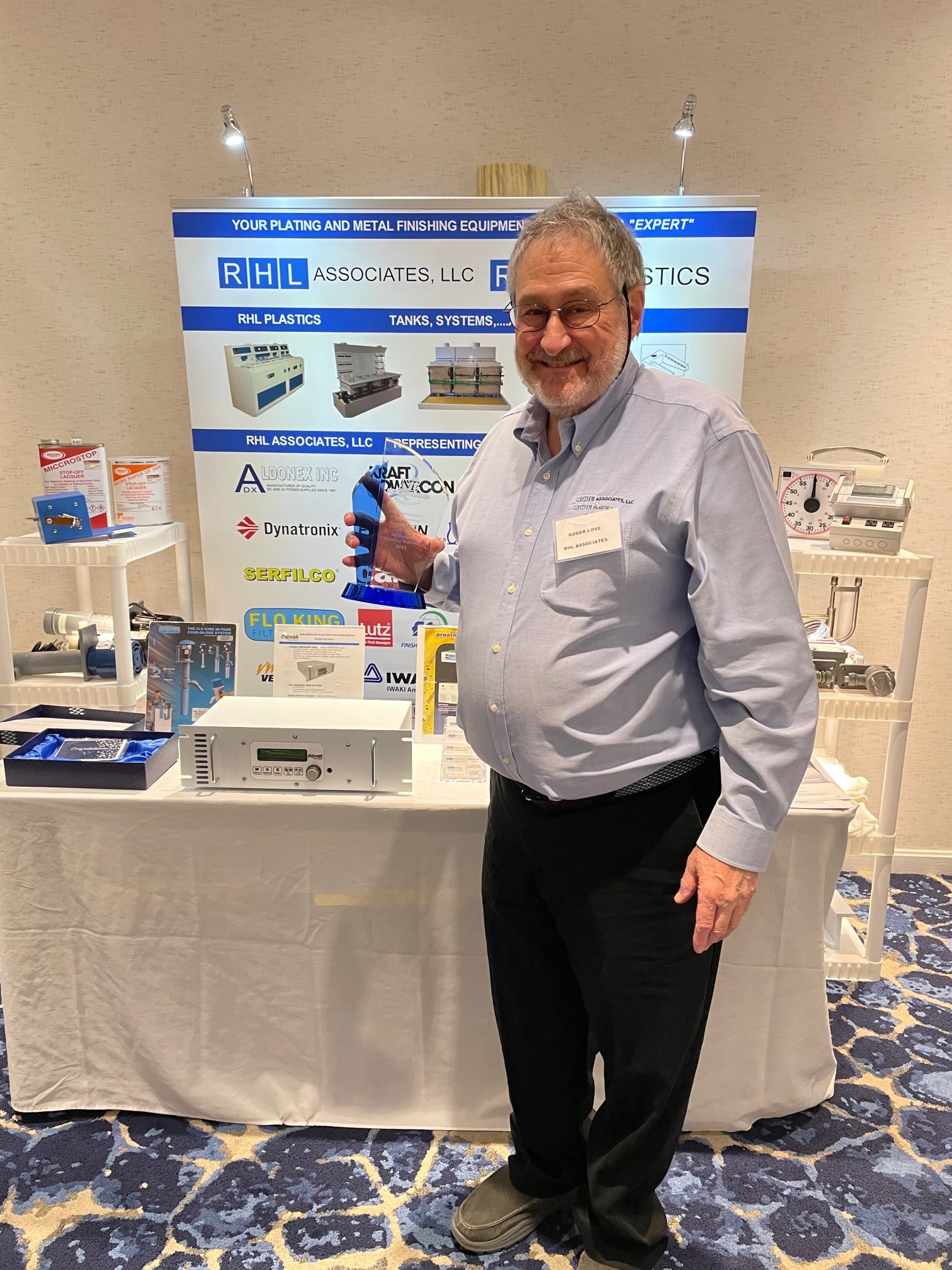
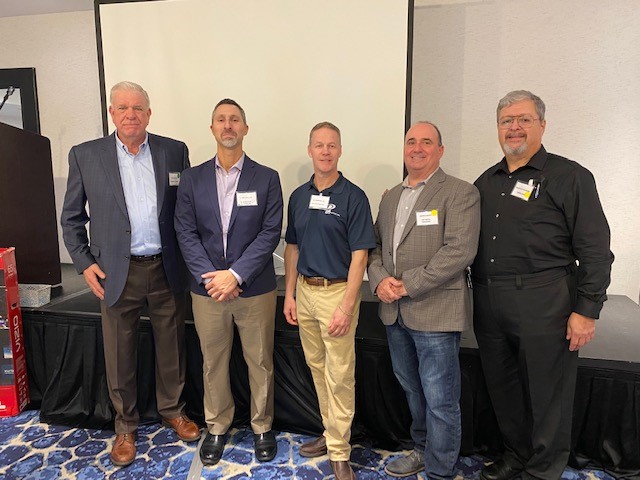
The New England Surface Finishing Regional is honored to have presented the 4tAnnual Foundation Award to long time supporter Roger Love of RHL Associates. The award was created to recognize a metal finishing supplier that has demonstrated outstanding contributions, support, and dedication to the annual regional event.

NASF POLICY UPDATE

Date: November 5, 2021
Category: Chapter News, NASF Chapters, NASF National, Regulation

NASF Public Policy Update

Recent Developments

November 1, 2021


Federal actions this fall have placed historic regulatory attention on the finishing industry and its practices. This update highlights several topics, including:


·    Calls intensify to regulate the entire surface finishing industry,

·    EPA expands its regulatory authority over articles containing chemicals substances,

·    NASF comments on PFAS reporting requirements,

·    OSHA awaits final COVID vaccine rule review from White House reiview, and

·    a NASF/US Department of Defense Workshop on chromium plating to be held at SUR/FIN.


Major Regulatory Milestones


Activist Groups in October Called out the Entire Finishing Industry for New Water Rules – In recent weeks, more than a dozen of the top U.S. activist groups – including the Sierra Club and the Natural Resources Defense Council – issued a joint statement to EPA and the public and included a call to regulate the entire surface finishing industry with new PFAS effluent requirements, arguing:


The EPA should develop [new discharge requirements] for ALL metal finishers, not just chrome platers.”


Congress and EPA are Targeting Surface Finishing – Congress has introduced new legislation that is gaining more attention – and EPA announced the launch of a first-of-its-kind regulation – specifically targeting the surface finishing industry for nationwide testing, monitoring and enforcement of new wastewater discharge requirements for PFAS chemicals.


Rare Media Coverage of the Finishing Industry on Capitol HillThe Hill, one of the most widely read political news sites read by Congress, recently highlighted metal finishing and electroplating for the first time in recent memory after the industry was named explicitly in legislation to impose new requirements and potential liability on industry for PFAS use.


EPA Expands Chemical Regulatory Authority Under TSCA


EPA announced on September 28, 2021 that it is reversing its decades-old practice of exempting finished articles from regulation under the federal Toxic Substances Control Act (TSCA). Under the authority of TSCA, EPA evaluates potential risks from new and existing chemicals and takes actions to address any unreasonable risks that chemicals may pose to human health and the environment.


In the past, EPA’s practice has been to target the manufacture or import of individual chemicals or chemical mixtures, their use in industrial processes, and products where a regulated substance is the active ingredient, rather than finished articles. Pursuant to the recent change in statutory authority, articles of finished products containing chemicals that EPA is evaluating for risk will now be subject to regulation under TSCA.


EPA Says it’s Obligated to Regulate Articles


EPA officials have indicated that the agency is obligated to regulate articles containing chemicals because products often “break down” and chemicals in the articles are released into the environment and can result in harmful exposures.


Critics of this expanded authority claim that in many cases it is difficult for manufacturers and importers to know what levels of chemicals are in a product and whether the chemicals can be released from the product. This is particularly true now that levels of concern for some chemicals are measured in parts per trillion.


EPA has responded that manufacturers are already required to know what is in their products to comply with European Union regulations as well as U.S. federal and state regulations, that require reporting and labeling product that may contain chemicals identified as a substance of very high concern or whose use may pose an unreasonable risk.


Expansion of Authority has Implications for the Supply Chain


By expanding its regulatory authority under TSCA to essentially all manufactured products, manufacturers, importers, and customers will need to know more about the chemical substances contained in their products and the likelihood of any potential release of that chemical substance.


For example, surface finishers and their customers will have to know all of the chemical substances that may end up in the finished product, the likelihood that those chemical substance may be released from the typical use of the product, and the potential exposure routes and risks associated with any such release.


Increased Regulatory Burdens Ahead


This new approach will likely increase the regulatory burdens and stewardship efforts for many manufacturers beyond the raw materials and processes used to make those products. EPA has already begun to expand its regulatory authority under TSCA to articles containing chemical substances (e.g., see proposed reporting rule for PFAS discussed below).


NASF continues to work with the U.S. Chamber of Commerce and other industry trade groups to engage EPA officials on this new approach to regulating articles or finished products under TSCA. If you have any questions or would like additional information regarding this expansion of EPA’s chemical regulatory authority, please contact Jeff Hannapel with NASF at jhannapel@thepolicygroup.com.


NASF Submits Comments on PFAS Reporting Requirements


On June 28, 2021, EPA proposed Reporting and Recordkeeping Requirements for Perfluoroalkyl and Polyfluoroalkyl Substances (PFAS) pursuant to TSCA Section 8(a)(7). NASF submitted comments indicated that the proposed rule did not consider the significant impact on small business, was overly broad, and would be unduly burdensome to the surface finishing industry. A summary of the NASF comments is provided below.


EPA Failed to Account for the Impact on Small Business – The proposed rule would require manufacturers and importers of PFAS (including importers of articles containing PFAS) to report information from the past ten years for each substance and mixture related to:


•           chemical identity and molecular structure;

•           categories of use;

•           volumes manufactured and processed;

•           byproducts resulting from the manufacture, processing, use and disposal;

•           environmental and health effects;

•           worker exposure; and

•           method of disposal.


This includes information on all PFAS without any exemptions for de minimis amounts, small businesses or articles containing PFAS. EPA failed to account for the substantial impacts that this rule will have on small business and the surface finishing industry.


Before finalizing the rule, EPA must comply with its statutory requirements to gather input from small businesses potentially impacted by this proposal and consider options to minimize the burdens of the proposed rule on small businesses.


EPA Should Limit the Substances Subject to Reporting – EPA identified 1,346 PFAS on the TSCA Inventory, but in the preamble to the proposed rule EPA stated that this was not a comprehensive list of all PFAS subject to the rule.


Manufacturers would be required to determine whether additional substances are subject to reporting, thereby significantly increasing the burden of reporting and adding to the uncertainty of the proposal.


NASF requested that EPA limit reporting requirements to those PFAS known to be in commerce or a subset of those known to pose public health and environmental concerns.


EPA Should Provide Typical Exemptions for Reporting Requirements – The proposed rule does not include exemptions for reporting requirements that are typically provided for EPA reporting rules such as exemptions for de minimis levels, small businesses, and articles. To minimize the unnecessary burdens of this rule, NASF made several requests:


•           EPA should limit reporting to those substances manufactured or imported in excess of threshold based on sound science policy and risk and appropriate policy considerations


•           EPA should exclude small businesses from reporting based on the number of employees and revenues, consistent with other TSCA reporting requirements.


•           Despite no mandate to include articles, EPA has determined that articles containing PFAS should be included in the scope of reportable chemical substances, even while acknowledging that some article manufacturers, including article importers, may not have such information.  Manufacturers and importers of articles containing PFAS should not be subject to the reporting requirements.


For some metal plating applications, fume suppressants containing very small amounts of PFAS are used in the finishing process. To demonstrate that no amount of any PFAS is on the plated part or article, companies could be subject to expensive testing requirements to confirm that reporting is not necessary.


Reporting Expands to a Much Larger Universe


Requiring reporting by manufacturers and importers of articles that contain PFAS will increase the number of entities subject to this reporting rule by thousands, particularly if all large and small businesses must report any amount of any PFAS in articles.


Given the burdens associated with subjecting articles containing PFAS to reporting requirements and EPA’s failure to include the costs associated with reporting imported articles containing PFAS, EPA should delete the requirement for reporting of articles containing PFAS from the proposed rule.


The Ten-Year Reporting Period is Unduly Burdensome – EPA proposed that persons who have manufactured or imported PFAS over the past ten years would report to EPA for each PFAS.


Given the broad scope of chemistries covered by the definition of PFAS, gathering all the available requested data for ten years would represent an overwhelming burden to many companies subject to reporting.


Phased Approach to Reporting Is Appropriate – The proposed rule requires reporting that can impose a significant burden on a large number of entities. NASF requested that EPA consider requesting this data in a phased approach, whereby only the largest manufacturers and importers of PFAS are subject to the reporting requirements.


If the exemptions, clarifications, and revisions that NASF requested were implemented, EPA could significantly reduce these burdens on a large number of small businesses, without substantially reducing the amount of critical information it collects on the manufacture and import of PFAS.


By streamlining the reporting to the most useful and scientifically valid information in the first place, EPA can better fulfill the mandate to estimate the rulemaking’s economic impacts and burden.


EPA must complete the final reporting and recordkeeping requirements by January 1, 2023. NASF will continue to work cooperatively with EPA and other industry trade groups on this proposal. If you have any questions, would like additional information, or would like to discuss these comments, please contact Jeff Hannapel (jhannapel@thepolicygroup.com) of The Policy Group on behalf of the NASF.


COVID Emergency Temporary Standard May Be Extended Beyond Healthcare 


OSHA has recently reconsidered the need for a broader COVID-19 emergency temporary standard (ETS) applicable beyond just the healthcare sector. President Biden’s recent decision to use a new COVID ETS focused on vaccinations and testing as a central element of his newly unveiled COVID-19 Action Plan raises a host of challenges for employers across the country. OSHA has moved quickly and the agency’s ETS was sent to the White House for rule review, hearing from outside industry and other groups, and for final regulatory approval.


OSHA has been expected to receive the ETS rulemaking package for release any time, and issuance in the coming days – early November – is anticipated.


Unlike the Executive Orders for federal employees and contractors and the expanded scope to healthcare workers (which included a fair amount of detail about how they would be implemented), the President’s announcement and new Action Plan about the OSHA ETS for general industry were essentially bare bones, with almost no detail about what will be in the ETS and how it will operate.


Critical Questions Need Answers


For example, the announcement did not provide specific direction or information to answer several critical questions regarding the scope and implementation of the ETS for general industry, including the following.


·    How do employers count the 100-worker threshold (by establishment or company-wide, how do you count temp, part-time, and seasonal workers, does it count remote/telework staff, etc.)?

·    Who pays for the testing program (employers or employees)?

·    If employers have to pay for testing, is it just for the test kits, or also employees’ time getting tested?

·    Under a work-required vaccine program, will days away for adverse effects of the vaccine have to be recorded on employers’ 300 Logs?

·    If the FDA approves booster shots for the general population, will a booster shot be required to consider an employee fully vaccinated?

·    Does the rule account in any way for natural antibody immunity for employees who have been infected and recovered from COVID-19?

·    Assuming employers have to pay for time to get vaccinated and recover from ill effects of the vaccine, is there a limit to how much time?

·    What type of test will be acceptable for the testing program?

·    What documentation will be required to verify vaccination and testing status, and will employers have to keep those records, as employee medical records, for the life of employment + 30 years?

·    Will there be time for the ETS to go into effect, or will testing be required for employees who are willing to get vaccinated until they can get vaccinated?

·    Will there be conditions that could result in the ETS being shelved?

·    If we achieve a 100% fully vaccinated workforce, can we dispense with all of the other COVID-19 protocols (i.e., distancing, masks, pre-work screening, etc.)?

·    How will the rule intersect with the ADA/Title VII requests for medical and religious exemptions?


Industry needs these answers to determine how it may be impacted by the ETS. For several reasons, industry may have a great opportunity to provide meaningful and impactful comments on the ETS rulemaking.


First, the career staff at OSHA did not have advanced notice of the President’s announcement, so there was no foundational work on a draft rule and staff may not be as personally invested on any particular provisions or issues.


Second, this ETS would provide cover to employers who have wanted to set vaccine mandates, but were reluctant to do it unless or until others did the same (i.e., to help alleviate concerns about losing workers to neighboring businesses that had more relaxed COVID-19 policies).


Accordingly, the White House and OSHA have been viewed as open to specific input from industry about how best to implement the ETS for general industry.


NASF has continued to work closely with industry trade groups and coalitions to help shape the Administration’s COVID policies and ETS and the potential impacts on the surface finishing industry.


If you have any questions or would like additional information on these developments regarding COVID in the workplace, please contact Christian Richter or Jeff Hannapel with NASF at crichter@thepolicygroup.com or jhannapel@thepolicygroup.com.


NASF / Defense Workshop on Chromium Plating at SURFIN


The California Air Resources Board (CARB) continues to advance a new rulemaking to transition hexavalent chromium plating to trivalent chromium for decorative chromium plating, functional chromium plating and chromic acid anodizing.


In response to this rulemaking effort, NASF has scheduled a DoD Workshop on Hexavalent Chromium: Emerging California Restrictions & Implications for the U.S. Defense Supply Chain to be held at SUR/FIN in Detroit on November 3, 2021 from 1:15 to 4:00 PM eastern time.


The workshop will include the following presentations.


•           Jeff Hannapel (NASF) – Summary of CARB Plan for Phase-Out

•           Keith Legg (Corrdesa) – DOD Supply Chain Implications & SERDP/ESTCP Hexavalent Chromium Replacement Projects

•           Steve Gaydos (NASF Technical Fellow) – Aerospace Applications and Alternatives

•           Scot Bryant (Noblis) – Adoption of hexavalent Chromium-Free Surface treatment Technologies by DOD Organizations

•           Tim Hall (Faraday Technology) & Doug Hughes (Macdermid Enthone) – Aqueous Trivalent Chromium Technology

•           Doug Morrison (Trion Coatings) – Ionic Liquid Hard Chromium Process


The aim of workshop is to educate people on California’s efforts to phase-out hexavalent chromium processes, identify some of technologies to replace hexavalent chromium processes, and discuss the potential impacts on the surface finishing and defense industries and supply chain. It is intended to be an interactive session where audience contributions and participation are welcome.


We look forward to SUR/FIN in Detroit on November 3rd for this critical and informative workshop. If you have any questions or would like more information, please contact Jeff Hannapel with NASF at jhannapel@thepolicygroup.com.


Support the NASF 1000 Today!


The NASF 1000 program was established to ensure that the surface finishing industry would have resources to effectively address regulatory, legislative and legal actions impacting the industry, NASF members and their workplaces.


All funds from the NASF 1000 program are used exclusively to support specific projects and initiatives that fall outside the association’s day-to-day public policy activities.


The commitment to this program is one of the most vital contributions made in support of surface finishing and directly shapes the future of the industry.


The sustained commitment from industry leaders has helped the NASF remain strong and credible in informing regulatory decisions across the nation.


Specific projects funded through the NASF 1000 make a measurable difference in how the industry navigates emerging challenges, communicates credibly with policy makers, and advocates for a strong science base for rules or standards that affect surface finishing.


Please consider supporting the NASF 1000 program. If you have any questions or would like additional information regarding the NASF 1000 program or the broad array of NASF public policy activities, please contact Jeff Hannapel with NASF at jhannapel@thepolicygroup.com or Christian Richter at crichter@thepolicygroup.com.


___________________________________________


If you have any questions or would like additional information on this matter, please contact Christian Richter at crichter@thepolicygroup.com, Jeff Hannapel with NASF at jhannapel@thepolicygroup.com.
 

To join NASF or find out more about membership, please contact Matt Martz at mmartz@nasf.org.

NEW ENGLAND CHAPTER ANNUAL FALL SEMINAR 2021

Date: October 13, 2021
Category: Chapter News, Member News, NASF Chapters, Regulation

NENASF logo


NEW ENGLAND CHAPTER ANNUAL FALL SEMINAR 2021


The New England Chapter of NASF was grateful to once again be able to host an in-person Seminar for the benefit of its membership and the entire metal finishing community. The event was held on Wednesday October 6, 2021.  With the COVID pandemic having forced the adoption of a Virtual format for the past year and a half, the resumption of in-person meetings and the opportunity to not only learn but to network with fellow metal finishers was a welcome change and was enthusiastically received by all in attendance.


The event was once again a four-hour Continuing Education Conference offering continuing education contact hours towards Wastewater license renewal. This was especially significant being that 2021 is a WWT License renewal year for all licensed operators in Massachusetts.  The Seminar consisted of four presentations over a four-hour period from 1:00 to 5:00 preceded by a luncheon for all attendees and speakers.


Matt Wright from HRP Associates opened the Seminar with a presentation entitled PFAS What Businesses Need to know stressing the importance of due diligence in preparing for regulatory enforcement of this emerging environmental hot-button issue. He stressed that saying “there is no PFAS in our plant” won’t be enough and everyone should be ready to back up statements with facts. This was followed by a presentation from Jim Walsh of MacDermid-Enthone on another hot-button issue, Sustainability. Jim gave examples of how correct equipment choices can not only lead to a company’s financial success but also to its future environmental success. David Calnan of CCI Chemicals followed with a presentation on Wastewater Treatment Options for the metal finishing industry stressing alternative treatment techniques and water recycling. The seminar closing speaker was Katherine Robertson of the Massachusetts Chemistry & Technology Alliance (MCTA) who gave an eye-opening update on the year-long Ad Hoc Toxic Use Reduction Act (TURA) Committee Hearings on reform to this burdensome Massachusetts environmental regulation and what metal finishers will be facing if certain regulatory changes become effective.


We continue to live in a very different world and it is encouraging that once again we were able to assemble for an in-person conference and networking that this event offered. We must continue to offer, through the combined efforts of NASF Board Members, Committee Members, Chapter Membership and dedicated and talented members of the Metal Finishing Community as a whole, events such as this which can be offered for the benefit of our membership.


EPA Will Set New PFAS Discharge Limits for Surface Finishing

Date: September 11, 2021
Category: Member News, NASF National, Regulation

NASF Logo

EPA to Set New Federal Wastewater Discharge Standards

for PFAS in Surface Finishing Operations


September 9, 2021


The U.S. Environmental Protection Agency (EPA) has released its Preliminary Effluent Guidelines Program Plan 15 (Preliminary Plan 15), announcing that it will commence a rulemaking process to set first-time ever wastewater discharges for PFAS from key industries.


The agency’s announcement was not unexpected, and its effort will focus on chromium plating and related processes in the surface finishing industry as well as certain chemical manufacturers and formulators of PFAS.


The announcement follows extensive discussions between NASF and senior EPA officials since the Trump administration released its PFAS Action Plan in 2019. The plan prioritized surface finishing and other industries for potential water regulation under the Clean Water Act’s effluent guidelines program.


Industries Impacted Under New PFAS Rulemaking Process


After concluding several studies that EPA launched in 2018, the agency has determined that revised effluent limitations guidelines (ELGs) and pretreatment standards are warranted for:


Organic Chemicals, Plastics and Synthetic Fibers (OCPSF) — EPA listed this category to address per- and polyfluoroalkyl substances (PFAS) discharges from facilities manufacturing PFAS (which includes chemical formulators in this source category). EPA identified six OCPSF facilities that currently manufacture PFAS in the US.


EPA also identified eight additional OCPSF facilities that use PFAS feedstocks to formulate other products. EPA has not developed a comprehensive list of all PFAS manufacturers and formulators in the U.S. and considers it probable that there are many more OCPSF facilities using PFAS that EPA has not yet identified.


Metal Finishing — The agency plans to revise the existing Metal Finishing Effluent Guidelines (40 CFR Part 433) to address PFAS discharges primarily from chromium electroplating facilities, based on the information collected through earlier studies.


NASF has been working closely with EPA officials on various aspects of PFAS use in the industry and will continue to do so through the next stages in the rulemaking development process. To inform the discussion with EPA and various state agencies, NASF has created a web-based PFAS Resource Center, which can be accessed here. Watch for new updates to the site soon.


The EPA Preliminary Effluent Guidelines Program Plan 15 is available here.


Launching the Rulemaking Process, Collecting Industry Data


EPA will initiate a multi-year rulemaking process of collecting data on existing PFAS discharges levels, identifying available treatment technologies for PFAS discharges, and conduct a formal assessment of technical and economic feasibility for available treatment technologies to determine what pretreatment standards may be appropriate.


EPA’s action to advance a rulemaking for the metal finishing category could allow the agency to proceed without an accelerated legislative mandated schedule prescribed by Congress. The House has passed language in the recent infrastructure bill targeting metal finishing and several other sectors for urgent action on PFAS, but the Senate’s measure did not include these provisions.


EPA has not yet announced a timetable for the rulemaking process, and has invited NASF to provide information and further input on the rulemaking development process.


Further Review of Other Industries


As part of Preliminary Plan 15, EPA also announced that it would be conducting further research and studies regarding discharges of PFAS to determine if a rulemaking is warranted for the other industry categories, including:


·     landfills,

·     pulp, paper, and paperboard facilities,

·     textile and carpet manufacturers, and

·     commercial airports.


NASF Meetings Ahead with EPA


NASF will be meeting again shortly with EPA officials and will provide NASF members with updates on the rulemaking process.


If you have any questions regarding EPA’s action, please reach NASF by contacting Christian Richter at crichter@thepolicygroup.com or Jeff Hannapel at jhannapel@thepolicygroup.com.
Meeting Reminder: Members Meeting & Strategy Session on Tuesday, 7/13

Date: July 12, 2021
Category: Chapter News, Member News, Regulation

MCTA

Strategy Session To Fight TURA Fee Hike at 2 PM

Members Meeting/Regulatory Update Follows at 3 PM

Consider this a reminder that MCTA has scheduled two meetings on Tuesday, July 13, 2021.

2 PM: A strategy session to coordinate opposition to the proposed fee increase for TURA filers;
3 PM: Quarterly Members Meeting.

Agenda for Members Meeting

Welcome, Adam Diamond, Astro Chemical, MCTA Chair

Program Update, Katherine Robertson. Executive Director

trategy Session Recap, Katherine Robertson. Executive Director

Regulatory Update, Jamie Dunbar & Chris Niles, O’Neill and Associates

MCTA Strategy Session/Members Meeting

Tue, Jul 13, 2021 2:00 PM – 3:30 PM (EDT)

Please join my meeting from your computer, tablet or smartphone.
https://global.gotomeeting.com/join/961996493

You can also dial in using your phone.
United States: +1 (872) 240-3412

Access Code: 961-996-493

New to GoToMeeting? Get the app now and be ready when your first meeting starts: https://global.gotomeeting.com/install/961996493


NASF Public Policy Update – June 2021

Date: June 16, 2021
Category: Chapter News, Member News, NASF Chapters, NASF National, Regulation

NASF Logo

CLICK HERE FOR THE MONTHLY UPDATE


Rocco A. Mastrobattista 1935-2021

Date: April 15, 2021
Category: Member News, Obituaries

Rocco Alexander Mastrobattista, 86 years old, beloved husband, father, grandfather and brother, passed away peacefully in his sleep on April 11, 2021. The son of Domenic and Josephine Mastrobattista, Rocco was a lifelong resident of Farmington, Connecticut. He graduated from Farmington High School and attended Central Connecticut College. The quintessential, self-made man, Rocco started his career at Stanley Works in New Britain, Connecticut as a chemist, later working as a sales man for Federated Metals and Smelting. In 1979, Rocco purchased Bass Plating Company in Bloomfield, Connecticut, building the business into the pre-eminent electroplating facility in the northeast, setting the gold standard in the industry for quality, customer service and environmental responsibility.

The New England NASF would like to extend condolences to the family of Rocco Mastrobattista of Bass Plating Company.  Bass Plating was a  long time member of both the Connecticut Association of Metal Finishing and our New England National Association for Surface Finishing Chapters.


Obituary Information


NEW ENGLAND CHAPTER HOSTS WINTER VIRTUAL SEMINAR

Date: March 8, 2021
Category: Chapter News, Events, Member News, NASF Chapters, Regulation

NENASF logo

The New England Chapter of NASF once again hosted a virtual seminar for the benefit of their membership and the entire metal finishing community. The event was held on Tuesday March 2, 2021.  With the COVID pandemic still forcing the  elimination of in-person meetings the executive board is realizing the necessity to continue to have events that will not only educate but, to whatever extent possible, bond those associated with metal finishing community.

The event was once again a four-hour Continuing Education Conference offering continuing education contact hours towards Wastewater license renewal. It was conducted by means of a Zoom format and attracted about forty attendees. It consisted of four presentations in two segments from 9:00 to 11:00 and 1:00 to 3:00, offering a more user-friendly format for all attendees.

Levi McGuire from PAVCO opened the Webinar with a presentation on Zinc-Nickel plating, covering the advantages and drawbacks of alternative chemistries from both an application and wastewater treatment perspective. This was followed by an eye-opening presentation by Paul LaFlamme of Centrend on cyber security highlighting the upcoming very elaborate security requirements that will be necessary to conduct business primarily with, but not exclusive to, all government/defense agencies in the not too distant future.

The afternoon session featured presentations by a team comprised of Jeff Mosholder of Newpath LLC plus Alisa Werst and Roger Booth of HRP Associates.

This trio covered the mandatory RCRA training required of all personnel handling hazardous waste and also covered commonly made environmental record keeping and reporting errors that could result in regulatory inspection citations. 

Special thank Rob Capalbo of NBC TV Springfield affiliate WWLP for acting as technical director, support and moderator as he once again helped to successfully bring this Virtual Seminar to reality.

We continue to live in a very different world and, until we can all once again assemble for in-person conferences and networking, must continue to offer, through the combined efforts of NASF Board Members, Committee Members, Chapter Membership and dedicated and talented members of the Metal Finishing Community as a whole, events such as this which can be offered for the benefit of our membership.    

Date: March 2, 2021
Category: Chapter News, Member News, Regulation

MCTA

Regulatory Meetings Crop Up Like Crocuses in the Sunlight

Besides PFAS, QACs, Nonos and Fee Increases, Administration Discusses Expansion of TURA

The Commonwealth has an odd way of welcoming spring….

CLICK HERE FOR THE LOW DOWN


Older posts Newer posts