SKIP TO CONTENT

info@nenasf.org
508-754-2671

JANUARY 2026 NASF POLICY UPDATE

Date: February 14, 2026
Category: NASF Chapters, NASF National, Regulation


Critical Minerals – The United States hosted a Critical Minerals Ministerial in early February, ‎bringing together representatives from more than 50 countries and the European Commission to ‎discuss global supply chain challenges related to critical minerals and rare earth elements. The ‎meeting, led by senior U.S. officials from across the Administration, focused on the role these ‎materials play in advanced manufacturing, energy technologies, and emerging industries, as ‎well as the risks associated with concentrated global supply.‎


NASF PFAS Litigation Initiative – PFAS-related litigation continues to expand nationwide, ‎with new lawsuits in recent months involving manufacturers, surface finishers, and suppliers. In ‎response, NASF has launched a new PFAS litigation monitoring and member guidance initiative ‎to help members stay informed as these cases continue to develop across the country.‎


Economic Outlook – Several widely followed economic reports released over the past two ‎weeks provide an updated snapshot of conditions facing manufacturers. The Conference Board’s ‎Consumer Confidence Index, released January 27, fell to 84.5, down from 94.2 in December. ‎The report showed declines in both how consumers view current conditions and their ‎expectations for the months ahead, indicating growing caution among households.‎


TSCA Reform – Congress is once again examining changes to how EPA reviews and regulates ‎chemicals under the federal Toxic Substances Control Act (TSCA). In late January, the House ‎Energy and Commerce Committee held a hearing on draft legislation that would adjust EPA’s ‎approach to both existing chemicals (including metals) already in commerce and new chemicals ‎entering the market, including reformulated products and new materials for industrial ‎applications.‎


WOTUS Clarifications – A major effort to clarify how wetlands and land uses are regulated ‎under the Clean Water Act is advancing through an EPA proposed rule that responds to the ‎recent, ground-breaking Supreme Court Sackett decision. The proposal represents the latest ‎attempt to clarify the scope of federal authority over local land-use decisions involving ‎wetlands and related water features on private property.‎


More details on these topics are below…‎

‎___________________________________________‎


U.S. Hosts Critical Minerals Ministerial Focused on Supply Chain Coordination


The United States hosted a Critical Minerals Ministerial in early February, bringing together ‎representatives from more than 50 countries and the European Commission to discuss global ‎supply chain challenges related to critical minerals and rare earth elements. The meeting, led by ‎senior U.S. officials from across the Administration, focused on the role these materials play in ‎advanced manufacturing, energy technologies, and emerging industries, as well as the risks ‎associated with concentrated global supply. Discussions covered a range of minerals critical to ‎industrial manufacturing, including copper, nickel, cobalt, lithium and other metals and ‎materials used across downstream supply chains.‎


Strengthening Supply Chain Resilience


The U.S. Department of State highlighted discussions at the ministerial centered on ‎strengthening supply chain resilience through greater coordination among participating ‎countries, expanded investment, and improved logistics and processing capacity. The United ‎States also announced a series of new bilateral frameworks and memoranda intended to support ‎cooperation on critical minerals development, financing, and trade.‎


U.S. officials emphasized that many of the initiatives discussed are ongoing or newly launched ‎efforts, and that further work will be required to address challenges related to pricing, ‎investment risk, and market structure. Several agencies discussed existing and planned ‎financing tools aimed at supporting domestic and international critical minerals projects, while ‎also underscoring the importance of private-sector participation.‎


New Research Reports Released on Critical Minerals Market Challenges


Recent analysis from Washington policy organizations is also informing the Administration’s ‎growing focus on critical minerals. A December 2025 brief from the SAFE Center for Critical ‎Minerals Strategy, Critical Minerals Pricing Mechanisms, along with a January 2026 report ‎from the Center for Strategic and International Studies (CSIS) titled Minerals at War, ‎examine how structural market distortions – particularly in key metals – can undermine supply ‎security. ‎


The CSIS report frames critical minerals as a long-term national security challenge and ‎highlights historical examples where governments combined pricing tools, procurement, ‎financing, and allied coordination to stabilize strategic supply chains. Together, these analyses ‎underscore growing interest in whether limited, targeted market interventions may be ‎considered alongside traditional trade and investment tools, though how such approaches would ‎be designed or applied remains an open question. NASF will continue to track these discussions ‎as they evolve.‎


NASF Launches PFAS Litigation Update and Member Guidance Initiative


PFAS-related litigation continues to expand nationwide, with new lawsuits in recent months ‎involving manufacturers, surface finishers, and suppliers. In response, NASF has launched a ‎new PFAS litigation monitoring and member guidance initiative to help members stay informed ‎as these cases continue to develop across the country.‎


Surface Finishing Focus ‎


As part of this effort, NASF is working with Keller and Heckman LLP, a Washington-based law ‎firm with extensive experience in PFAS and chemical regulatory matters, to develop and ‎present a series of member-only webinars and to participate in key industry events later this ‎year. These briefings will focus on PFAS litigation as it relates specifically to surface finishing ‎and other downstream industrial users, including recent cases, emerging legal theories, and ‎practical considerations relevant to plating and finishing operations.‎


Updates, Education and Risk Awareness


Recent PFAS lawsuits have increasingly moved beyond chemical manufacturers to name ‎downstream industrial users, waste handlers, and suppliers, including companies involved in ‎surface finishing. Through this initiative, NASF will provide periodic updates on litigation ‎trends, significant court developments, and general risk awareness considerations. The program ‎is intended to help members better understand the evolving PFAS litigation landscape and does ‎not constitute legal advice. Additional details on webinar scheduling and content will be shared ‎with members in the coming weeks.‎


Recent Economic Reports Point to Mixed Signals But Some Good News Moving into ‎February


Several widely followed economic reports released over the past two weeks provide an updated ‎snapshot of conditions facing manufacturers. The Conference Board’s Consumer Confidence ‎Index, released January 27, fell to 84.5, down from 94.2 in December. The report showed ‎declines in both how consumers view current conditions and their expectations for the months ‎ahead, indicating continued caution among households.‎


Manufacturing Activity Increasing


Manufacturing activity data moved in the opposite direction. S&P Global’s U.S. ‎Manufacturing PMI for January, released January 24, increased to 52.4, up from 51.8 in ‎December, reflecting the sharpest upturn since May 2022. The report noted that production ‎increased and new orders returned to growth, while firms continued to cite cost pressures and ‎weaker export demand.‎


Manufacturing Jobs Trending Lower


Many saw the recent employment data show manufacturing job levels meaningfully lower over ‎the past year. According to the Bureau of Labor Statistics’ Current Employment Statistics ‎report (as reflected in Federal Reserve Bank of St. Louis data), total U.S. manufacturing ‎employment declined by roughly 70,000 jobs from December 2024 to December 2025. ‎


Employment also moved lower in the final month of 2025, falling from approximately 12.70 ‎million jobs in November to about 12.69 million jobs in December, or about 8,000 jobs. ‎Average weekly hours in manufacturing declined slightly in December as well, from 40.1 hours ‎to 39.9 hours. The next monthly report will be issued in the coming days.‎

NASF will continue to track these key indicators and share updates as new data are released for ‎manufacturers as well as for surface finishing operations.‎


For a copy of the most recent NASF Economic Report for Surface Finishing: 2025, please ‎contact Jeff Hannapel at jhannapel@thepolicygroup.com or Christian Richter at ‎crichter@thepolicygroup.com. ‎


Congress Looking to Make Changes to Federal Chemicals Regulations


Congress is once again examining changes to how EPA reviews and regulates chemicals under ‎the federal Toxic Substances Control Act (TSCA). In late January, the House Energy and ‎Commerce Committee held a hearing on draft legislation that would adjust EPA’s approach to ‎both existing chemicals (including metals) already in commerce and new chemicals entering ‎the market, including reformulated products and new materials for industrial applications.‎


Real-World Scenarios and Hazards ‎


For manufacturers, the proposal matters because it would influence how quickly EPA completes ‎chemical reviews and how risk decisions are made. The draft would push EPA to focus risk ‎evaluations on real-world hazards and human exposures, rather than more speculative scenarios, ‎and would seek to reduce delays in EPA’s pre-manufacture review process for new chemicals. ‎Many industry supporters argue this could improve predictability for companies developing new ‎products or responding to supply-chain and regulatory pressures.‎


Coordination between EPA and OSHA on Requirements


The draft legislation would also encourage greater coordination between EPA and other federal ‎agencies, such as OSHA, to avoid overlapping or conflicting requirements. While supporters say ‎the proposal would promote science-based regulation and more practical compliance outcomes, ‎critics argue it could weaken health and environmental protections. The proposal faces an ‎uncertain path in Congress, but it reflects ongoing interest in revisiting how TSCA is ‎implemented. NASF will continue tracking the discussion and assessing what potential changes ‎could mean for surface finishers and downstream manufacturers.‎


EPA Clarifications to “Waters of the United States” Rule Are Advancing


A major effort to clarify how wetlands and land uses are regulated under the Clean Water Act is ‎advancing through an EPA proposed rule that responds to the recent, ground-breaking Supreme ‎Court Sackett decision. The proposal represents the latest attempt to clarify the scope of federal ‎authority over local land-use decisions involving wetlands and related water features on private ‎property.‎


The proposal includes revised definitions for what water features on private land constitute ‎‎“waters of the United States” (WOTUS) and will determine the precise scope of federal Clean ‎Water Act permitting. Once finalized, the rule will affect whether facilities need permits for ‎activities such as filling, excavation, or site development associated with expansions or ‎infrastructure improvements.‎


Certainty and Durability for Future Decisions


The proposed clarifications seek more certainty for landowners with new definitions for key ‎terms such as what qualifies as a “relatively permanent” water and what constitutes a ‎‎“continuous surface connection” between a water feature and an adjacent jurisdictional water. ‎EPA, along with the U.S. Army Corps of Engineers, also proposes confirming that certain ‎features – including groundwater, most ditches constructed in dry land, and certain other ‎features – are excluded from federal jurisdiction. Agency officials have stated that these ‎changes are intended to narrow the scope of regulated waters and reduce uncertainty for ‎regulated entities.‎


Small Business Concerns and Permitting Issues


Industry groups generally view the proposed clarifications as a positive step toward a more ‎predictable permitting framework for facility expansions and site improvements. However, ‎some stakeholders have raised concerns by tying permitting conditions and decisions to a “wet ‎season,” noting that a seasonal approach could introduce new problems. While the issue is often ‎discussed in agricultural contexts, input from business and construction stakeholders has urged ‎EPA to provide greater clarity to ensure that seasonal interpretations do not complicate ‎permitting decisions or long-term site planning for regulated facilities.‎


While the proposed rule does not eliminate all uncertainty, it represents the latest effort to draw ‎clearer jurisdictional boundaries for land-use decisions. NASF will continue to monitor the ‎rulemaking process and provide updates as EPA and the Corps move toward a final rule.‎


NASF 1000


The NASF 1000 program was established to ensure that the surface finishing industry would ‎have resources to effectively address regulatory, legislative and legal actions impacting the ‎industry, NASF members and their workplaces. All funds from the NASF 1000 program are used ‎exclusively to support specific projects and initiatives that fall outside the association’s day-to-‎day public policy activities. The commitment to this program is one of the most vital ‎contributions made in support of surface finishing and directly shapes the future of the ‎industry. ‎


The sustained commitment from industry leaders has helped the NASF remain strong and ‎credible in informing regulatory decisions across the nation. Specific projects funded through ‎the NASF 1000 make a measurable difference in how the industry navigates emerging ‎challenges, communicates credibly with policy makers, and advocates for a strong science base ‎for rules or standards that affect surface finishing. ‎


Please consider supporting the NASF 1000 program. For more information, contact: Christian Richter (202-257-‎‎0250) or Jeff Hannapel (202 257-3756) with NASF.‎


December 2025 NASF Policy Update

Date: January 8, 2026
Category: NASF Chapters, NASF National, Regulation


With 2025 in the rearview mirror and the New Year underway, major policy decisions affecting manufacturing and the surface finishing industry remain pending in Washington. Most members of Congress want to avoid another government shutdown at the end of January and are working to negotiate on unfinished spending bills for the current fiscal year. Still, Republicans and Democrats disagree on a host of other issues, and narrow margins in the House will complicate the path forward for broader legislative action.


As midterm elections loom this November and the congressional calendar is shortened, legislative productivity on Capitol Hill has fallen to historic lows at this point, with 40 bills enacted last year. At the Supreme Court, a decision on the legality of the President’s emergency tariffs is expected shortly, putting more than $200 billion in tariff revenue generated last year at stake.


In the executive branch, while historic deregulation and a reshaping of the federal bureaucracy remain top White House priorities, leadership at EPA, OSHA, and other agencies will continue to pursue major regulatory initiatives with implications for U.S. industry.


NASF is engaged across the board on a wide range of matters affecting the industry, including metals and supply chain discussions, materials uses and restrictions pending in the U.S. and globally, a nationwide PFAS decision for metal finishing in 2026 and larger PFAS litigation that touches downstream industrial users, including plating and finishing operations.


See more on recent and emerging developments as we kick off the New Year. A headline summary and expanded updates are below…

__________________

Latest Small Business, GDP Data – As the New Year Begins, U.S. Chamber Small Business Index Points to Slight Softening Despite Solid Recent GDP Growth – As the first week of January gets underway, recently released survey data reinforce what many small businesses and manufacturers are reporting as they plan for the months ahead. The MetLife & U.S. Chamber of Commerce Small Business Index (SBI), published in mid-December, registered 68.4 for the fourth quarter, down from 72.0 in the prior quarter and broadly in line with year-ago levels.


Deregulation – EPA Enforcement Office Announcement Highlights Focus This Year on “Compliance First” Approach – EPA’s Office of Enforcement and Compliance Assurance (OECA) just issued a December 5 memo that focuses on a “compliance first” approach to environmental enforcement actions. The memo emphasizes prioritizing environmental compliance across all types of enforcement activities using what EPA describes as the most efficient and defensible means available, while aligning enforcement actions with the Trump administration’s executive orders and priorities.


Legislation – New PFAS Liability Legislation Introduced in House and Senate – New PFAS-related liability legislation was re-introduced in Congress in mid-December that would amend the Toxic Substances Control Act (TSCA) to establish a federal cause of action and authorize medical monitoring for individuals significantly exposed to per- and polyfluoroalkyl substances (PFAS), with claims directed at parties involved in PFAS manufacturing.


European Commission is Seeking Input on Workplace Exposure Limits for Chromium and Other Key Substances – The European Commission in December a consultation on occupational exposure to certain chromium compounds and six other substances as part of its ongoing review of workplace health and safety rules under the Carcinogens, Mutagens and Reprotoxic Substances Directive (CMRD).

_____________

As the New Year Begins, U.S. Chamber Small Business Index Points to Slight Softening Despite Solid Recent GDP Growth


As the first week of January gets underway, recently released survey data reinforce what many small businesses and manufacturers are reporting as they plan for the months ahead. The MetLife & U.S. Chamber of Commerce Small Business Index (SBI), published in mid-December, registered 68.4 for the fourth quarter, down from 72.0 in the prior quarter and broadly in line with year-ago levels. While most underlying measures did not show sharp declines, the survey shows some softening in areas such as comfort with cash flow and plans for future hiring and investment.


The most significant challenge facing small business owners is inflation, followed by workforce pressures. Fewer respondents report being very comfortable with current cash flow, and assessments of local economic conditions declined slightly, with 43% saying their local economy is in good health. Concerns related to employee retention and attracting qualified workers increased compared to late 2024, underscoring ongoing labor constraints.


These conditions persist even as the most recent official GDP data, released by the U.S. Bureau of Economic Analysis in late December, showed strong economic growth in the third quarter of 2025. Other industry-specific indicators also point to a moderation in activity. For many manufacturers and finishers, the data underscore a familiar reality heading into the new year: headline economic growth has not fully alleviated cost, labor, and operating challenges on the ground.


For more information, please contact Jeff Hannapel (jhannapel@thepolicygroup.com) or Christian Richter (crichter@thepolicygroup.com) with NASF.


EPA Enforcement Office Will Focus on New “Compliance First” Approach in 2026


EPA’s Office of Enforcement and Compliance Assurance (OECA) just issued a December 5 memo that focuses on a “compliance first” approach to environmental enforcement actions.


The memo emphasizes prioritizing environmental compliance across all types of enforcement activities using what EPA describes as the most efficient and defensible means available, while aligning enforcement actions with the Trump administration’s executive orders and priorities.

The agency says it intends to focus enforcement efforts on achieving timely compliance rather than pursuing enforcement actions that may extend negotiations or delay corrective action at a facility.


The memo and the announcement accompanying it underscore that EPA’s core enforcement functions will be maintained – including monitoring compliance with environmental laws and returning regulated entities back to compliance – while placing greater emphasis on practical outcomes and clarity around the requirements of the law.

For manufacturers and surface finishers, the policy signals a continued shift toward resolving compliance issues earlier in the process and potentially fewer prolonged enforcement disputes. While EPA has noted that enforcement will continue where violations persist, the compliance-first approach reflects a more selective and outcome-focused approach, particularly in non-criminal matters.


NASF will continue to monitor how this policy is implemented across EPA programs and what it may mean for compliance expectations, inspection activity, and enforcement risk in the months ahead.


For more information, please contact Jeff Hannapel (jhannapel@thepolicygroup.com) or Christian Richter (crichter@thepolicygroup.com) with NASF.


New PFAS Liability Legislation Introduced in House and Senate


New PFAS-related liability legislation was re-introduced in Congress in mid-December that would amend the Toxic Substances Control Act (TSCA) to establish a federal cause of action and authorize medical monitoring for individuals significantly exposed to per- and polyfluoroalkyl substances (PFAS), with claims directed at parties involved in PFAS manufacturing.


The legislation, H.R. 6626 / S. 3460 – the PFAS Accountability Act of 2025 – was introduced by Rep. Madeleine Dean (D-PA) and Sen. Kirsten Gillibrand (D-NY). Additional House co-sponsors include Reps. Debbie Dingell (D-MI), Jerry Nadler (D-NY) and Rashida Tlaib (D-MI).


The bill has been referred to the House Energy and Commerce and the Judiciary committees.


Environmental groups and other plaintiffs have argued for some time that medical monitoring should be allowed as a remedy for exposures to PFAS because some related health effects may take years to develop.


Key Provisions


Federal Cause of Action – The bill would add a new section to TSCA titled “Individuals Exposed to Perfluoroalkyl and Polyfluoroalkyl Substances.” It would allow individuals who have been “significantly exposed to PFAS,” or who have reasonable grounds to suspect significant exposure, to bring claims individually or as part of a class action in federal district court.


Claims could be brought against any person that engaged in any portion of a manufacturing process that created the PFAS to which the individual was exposed and foresaw or reasonably should have foreseen that the creation or use of PFAS would result in human exposure.


Presumptions of Exposure – The bill establishes rebuttable presumptions of “significant exposure,” including where PFAS were released into areas of exposure for a cumulative period of at least one year or where biomonitoring results show PFAS or PFAS metabolites in the body. Defendants would be permitted to rebut the presumption through independent testing at their expense.


Medical Monitoring – The legislation would authorize courts to award medical monitoring where significant PFAS exposure has resulted in an increased risk of developing disease and where additional or more frequent diagnostic testing is reasonably necessary and effective. Where toxicological data are insufficient, courts would be permitted to lower the standard for scientific proof and may order additional studies.


Definition of PFAS – The bill defines PFAS broadly as any per- or polyfluoroalkyl substance with at least one fully fluorinated carbon atom.


Versions of the PFAS Accountability Act have been introduced in prior Congresses but have not advanced into law. The legislation also specifies that it does not preempt or limit state law claims or remedies.


NASF continues to monitor this and other PFAS legislation and their potential implications as the PFAS policy landscape continues to evolve.


For more information, please contact Jeff Hannapel (jhannapel@thepolicygroup.com) or Christian Richter (crichter@thepolicygroup.com) with NASF.


European Commission is Seeking Input on Workplace Exposure Limits for Chromium and Other Key Substances


The European Commission in December a consultation on occupational exposure to certain chromium compounds and six other substances as part of its ongoing review of workplace health and safety rules under the Carcinogens, Mutagens and Reprotoxic Substances Directive (CMRD).


The CMRD is the European Union’s primary framework governing worker exposure to hazardous substances associated with cancer, genetic damage, or reproductive health effects. It sets binding occupational exposure limits (OELs) that employers must meet across EU member states.


Information collected through the consultation will help determine whether the Commission introduces new or updates existing exposure limits as part of the latest revision of the Directive. Substances under review include:

  • chromium VI compounds
  • respirable crystalline silica
  • certain chlorinated solvents
  • chloroprene
  • glycidyl methacrylate, and
  • nitrosamines.

The survey is aimed at companies and workers that use or generate these substances, as well as national authorities and occupational safety professionals, and will remain open until January 12. Input will inform future regulatory decisions that could affect compliance obligations, workplace controls, and operating costs for EU-based facilities.


In the meantime, the EU is finalizing its earlier, or sixth, revision of the CMRD, which will introduce new exposure limits for substances such as cobalt compounds and polycyclic aromatic hydrocarbons.


NASF will continue to monitor chromium developments in Europe on both the occupational exposure and chemicals management fronts in the coming year, as we expect more activity ahead on workplace and substance restrictions fronts.


For more information, please contact Jeff Hannapel (jhannapel@thepolicygroup.com) or Christian Richter (crichter@thepolicygroup.com) with NASF.


NASF 1000


The NASF 1000 program was established to ensure that the surface finishing industry would ‎have resources to effectively address regulatory, legislative and legal actions impacting the ‎industry, NASF members and their workplaces. All funds from the NASF 1000 program are used ‎exclusively to support specific projects and initiatives that fall outside the association’s day-to-‎day public policy activities. The commitment to this program is one of the most vital ‎contributions made in support of surface finishing and directly shapes the future of the ‎industry. ‎


The sustained commitment from industry leaders has helped the NASF remain strong and ‎credible in informing regulatory decisions across the nation. Specific projects funded through ‎the NASF 1000 make a measurable difference in how the industry navigates emerging ‎challenges, communicates credibly with policy makers, and advocates for a strong science base ‎for rules or standards that affect surface finishing. ‎


Please consider supporting the NASF 1000 program. For more information, contact: Christian Richter (202-257-‎‎0250) or Jeff Hannapel (202 257-3756) with NASF.‎


Free MCTA Luncheon Update

Date: December 11, 2025
Category: Chapter News, Events, NASF Chapters, Regulation

Register Today
Free MCTA Luncheon Update

2025 in the Rear-View Mirror: 2026 Preview

Meet the New State Official Charged with Helping You with Regulatory & Permitting Issues

Agenda

  1. Legislative and State Regulatory Updates
    Update on significant legislative and regulatory issues from 2025 as we enter the second part of the legislative session.

  2. Introduction to the State’s new Regulatory Ombudsman Doug Gutro
    Have an issue related to a permit or regulatory issue? The new state Ombudsman is here to help! Doug Gutro was recently appointed to help companies get things done! He has extensive experience in government and is newly appointed to this position which is under the Secretary of Economic Development. Come hear how he may be able to assist you and your company.

  3. Member feedback and MCTA plans for 2026.

    To register, contact Katherine Robertson at katherine@masscta.org. A link will be sent to you.

Date: December 11, 2025
Category: NASF Chapters, NASF National, Regulation

NASF Logo
Dear NASF Members,


We are pleased to share an important update from the NASF Board of Directors. At its recent meeting, the Board unanimously approved funding to support Southern California’s 2026 Hexavalent Chromium (Cr⁶⁺) Petition advocacy needs. This effort is critical to ensuring that our industry’s voice is strongly represented as regulatory discussions continue to evolve in the region.


To support this work, the Board authorized the use of resources from NASF1000, allowing us to move quickly and effectively in coordinating expert engagement, policy outreach, and strategic communications.


This investment reflects NASF’s continued commitment to safeguarding the future of the finishing industry and ensuring that our members have strong, proactive representation in key regulatory matters.


We will continue to keep you informed as this advocacy initiative progresses.


Thank you for your ongoing support of NASF and our mission.


Sincerely,

Craig Addington

Executive Director

National Association for Surface Finishing

November 2025 Policy Update

Date: December 5, 2025
Category: NASF Chapters, NASF National, Regulation

With the end of the year in sight and the 2026 midterm election cycle well underway, lawmakers and regulators in Washington face challenges on multiple fronts, including getting a spending agreement in Congress again before January 31. At the agencies, the October shutdown slowed the administration’s progress on some fronts but other major initiatives – particularly on the deregulatory agenda – have advanced.


This month’s update highlights only a few actions in a larger set of trends that we’ll cover in greater detail in the December year-end update, including the emerging wider reach of nationwide PFAS litigation touching downstream industrial users and NASF efforts on EPA’s major PFAS wastewater treatment rule for finishing.


Read more about recent developments from November below…

_____________

Copper, Silver, Lead, Others Added to U.S. Critical Minerals List: In early November, the Department of Interior released a newly updated 2025 List of Critical Minerals. The newly added minerals include boron, copper, lead, metallurgical coal, phosphate, potash, rhenium, silicon, silver, and uranium The report highlighted that critical minerals are those “essential to the economy or national security of the United States” and whose supply chains are “vulnerable to disruption.”


Deregulation – EPA Now Proposing Changes in How it Evaluates and Regulates Chemicals, Metals: The agency has proposed significant revisions to how it conducts chemical risk evaluations under the primary federal chemicals management law – the Toxics Substances Control Act (TSCA). The initiative aims to reverse core elements of the much more restrictive Biden-era 2024 chemicals rule and return to a more targeted, favorable approach for U.S. industry. In its announcement, EPA explains that the proposed framework is intended to more efficiently and effectively protect human health and the environment while adhering to TSCA’s statutory requirements.


Deregulation – EPA & Army Corps of Engineers Propose New Clean Water Act Permitting Rules for Business: In another reversal of Biden-era actions, EPA and the Department of the Army have jointly proposed an anticipated new “Waters of the U.S.” (WOTUS) rule that would reduce the universe of waters covered by federal Clean Water Act requirements. The agencies highlight that the intent is to give businesses and property owners a clearer understanding of when federal permits are required for construction and development.


Solvents Uncertainty – EPA Delays Key TCE Requirements Again Amid Ongoing Litigation: EPA has delayed major parts of the Biden-era 2024 TCE rule for a fourth time, meaning no new compliance obligations will take effect for critical-use applications until at least February 17, 2026. The agency is arguing that the rule extension is necessary while federal courts sort out the broad legal challenges to the rule.


Restrictions Likely Ahead – Canada Will Consider Options for Regulating “Highest Risk” Substances Next Year: Canada’s key regulatory agencies – Health Canada and Environment & Climate Change Canada (ECCC) – have posted the federal government’s implementation schedule for the modernized Canadian Environmental Protection Act (CEPA), along with the timing of planned and completed public consultations which include potential restrictions on “highest risk” substances.


For more details on these topics, see more below:

_______________________


Supply Chain: Department of Interior Adds Copper, Silver, Lead and Others to the U.S. Critical Minerals List


In early November, the U.S. Geological Survey (USGS), acting through the Secretary of the Interior, released the final 2025 List of Critical Minerals. In announcing the update, USGS reiterated that critical minerals are those “essential to the economy or national security of the United States” and whose supply chains are vulnerable to disruption. The agency emphasizes that mineral criticality changes over time and therefore the 2025 list is not permanent. USGS will update the list at least biannually going forward based on new data, supply concentration, and policy priorities.


Addition of 10 New Critical Minerals Brings Total to 60


The final 2025 List includes 60 minerals, revising the list last published in 2022. The new list contains all 50 critical minerals from the 2022 List, plus an additional 10 critical minerals. The newly added minerals – identified by USGS as boron, copper, lead, metallurgical coal, phosphate, potash, rhenium, silicon, silver, and uranium – were included based on updated supply-chain risk assessments, public feedback on the draft list, and federal interagency recommendations outlined in the announcement.


Tool to Assess Vulnerabilities, Potential Assistance


The Federal Register notice underscores that the critical minerals designation serves as the federal government’s authoritative tool for assessing mineral availability, import reliance, and potential vulnerabilities in production and processing. It does not impose any new regulations. Publication of the 2025 list completes the required review cycle and establishes the official mineral set that will guide federal supply-chain and national-security assessments and other actions for the near term.


Deregulation: EPA Advancing Major Rules Changes for Chemicals, Metals


The agency has proposed significant revisions to how it conducts chemical risk evaluations under the primary federal chemicals management law – the Toxics Substances Control Act (TSCA). The initiative aims to reverse core elements of the much more restrictive Biden-era 2024 chemicals rule and return to a more targeted, favorable approach for industry. In its announcement, EPA explains that the proposed framework is intended to more efficiently and effectively protect human health and the environment while adhering to TSCA’s statutory requirements.


Applies to All Actions Still in Progress


The proposal would apply to all risk evaluations still in progress at EPA, positioning it to affect every future TSCA decision that impacts manufacturers and downstream users. A central element of the proposal is EPA’s plan to abandon the 2024 so-called “whole chemical” approach. Under that rule, EPA issued one single risk determination for an entire chemical, even if only one use out of a range of different uses in an industrial or other setting posed concern.


This structure can include low-exposure, well-controlled industrial uses in a broad “unreasonable risk” determination based on unrelated consumer or specialty uses. The agency’s new proposal restores the original TSCA approach, which makes separate risk determinations for each “condition of use,” and allows the agency to consider real-world workplace protections such as personal protective equipment and engineering controls when evaluating those specific industrial uses.


Consequential Shift Would Be Favorable to Industry


For manufacturing operations, including metal finishing, this shift is consequential. The use-by-use approach allows EPA to determine that a chemical used with controls in place may present “no unreasonable risk” – even if the same chemical has high-risk uses elsewhere in the economy. Experts see this targeted framework as a major improvement for regulatory certainty and for avoiding unintended restrictions on widely used chemistries.


Deregulation: EPA & Army Corps of Engineers Propose New Clean Water Act Permitting Rules for Business


In another reversal of Biden-era actions, EPA and the Department of the Army jointly proposed a new “Waters of the U.S.” (WOTUS) rule this past month that would reduce the universe of waters subject to federal authority under the Clean Water. The agencies highlight that the intent is to give businesses and property owners a clearer understanding of when federal permits are required for construction, development and related land-use activities.


Reducing Uncertainty, More Predictability


For manufacturers and companies planning projects or site improvements, the proposal is aimed at reducing uncertainty and limiting unexpected federal reviews during construction and expansion. Industry and agriculture groups in Washington broadly agree that the rule will likely create a more predictable system and clearer lines to make it easier for businesses to plan investments without running into shifting interpretations of federal jurisdiction.


Exclusions and Alignment with Supreme Court


The proposal also reaffirms several important, longstanding exclusions, including exclusions for many constructed ditches, groundwater and other water features. Clarifying these exclusions is intended to help companies avoid unnecessary permitting steps and focus compliance efforts on areas where federal requirements clearly apply.


EPA chief Lee Zeldin, in announcing the proposed rule on November 17, emphasized that the proposal seeks to align the agency’s regulatory authority with recent Supreme Court rulings as well as to reduce the back-and-forth changes businesses have faced with interpretations changing with each administration. NASF will continue evaluating the proposal and its implications for member companies.


Solvents: EPA Delays Key TCE Rule Requirements While Courts Sort Out Challenges


EPA has delayed major parts of the Biden-era 2024 TCE rule for a fourth time, meaning no new compliance obligations will take effect for critical-use applications until at least February 17, 2026. The agency is arguing that the rule extension is necessary while federal courts work through the broad legal challenges to the rule.


EPA Planning to Revise the Rule


For companies that rely on TCE for specialized or hard-to-replace functions, postponing the rule will keep the rule’s tight workplace controls and phaseout timelines on hold. Industry has argued that these provisions in the rule, particularly the 200-ppb workplace exposure limit, are effectively a ban on essential industrial uses. In the meantime, EPA has already announced plans to rewrite the entire TCE rule, a process that could last 18–24 months.


Litigation Unresolved for Now


The litigation remains unresolved, and a federal appeals court has not yet decided on next steps for resolution. Environmental groups oppose the delay, while some industry representatives support a pause only if the court first blocks the rule’s strict exposure limits for certain specialized industrial uses.


In the meantime, EPA has requested that the litigation be paused. Until the court rules, companies should expect continued uncertainty but no new compliance steps in the immediate term. NASF will continue to monitor developments on these and other solvent issues as EPA’s rule revisions and court action continue.


Restrictions Possible Ahead: Canada Implementing Chemicals Regulations under Revamped Environmental Law


Canada’s key environmental regulatory agencies – Health Canada and Environment & Climate Change Canada (ECCC) – are still planning to engage with industry and the public likely early next year to implement new regulatory provisions from the Canadian Parliament’s recent overhaul of the Canadian Environmental Protection Act (CEPA).


Focus on Substances of Highest Risk, Metals and Chemicals


The agencies have announced several areas of consultation to discuss proposals and options, including a forthcoming discussion document for “toxic substances of highest risk” regulations. While the consultations have not yet begun, this is one of the primary regulatory review actions slated for action in 2026.


As there will be attention given to certain metals and chemicals used in the finishing industry, NASF will continue monitoring as action gets underway. Decisions to modify Canada’s chemical management framework will have ramifications at the U.S. federal and state levels.


NASF 1000


The NASF 1000 program was established to ensure that the surface finishing industry would ‎have resources to effectively address regulatory, legislative and legal actions impacting the ‎industry, NASF members and their workplaces. All funds from the NASF 1000 program are used ‎exclusively to support specific projects and initiatives that fall outside the association’s day-to-‎day public policy activities. The commitment to this program is one of the most vital ‎contributions made in support of surface finishing and directly shapes the future of the ‎industry. ‎


The sustained commitment from industry leaders has helped the NASF remain strong and ‎credible in informing regulatory decisions across the nation. Specific projects funded through ‎the NASF 1000 make a measurable difference in how the industry navigates emerging ‎challenges, communicates credibly with policy makers, and advocates for a strong science base ‎for rules or standards that affect surface finishing. ‎


Please consider supporting the NASF 1000 program. For more information, contact: Christian Richter (202-257-‎‎0250) or Jeff Hannapel (202 257-3756) with NASF.‎


2025 New England Surface Finishing Regional – Salem, Massachusetts

Date: November 19, 2025
Category: Chapter News, Events, Member News, NASF Chapters, NASF National, Regulation

NE Surface Finishing Regional Logo


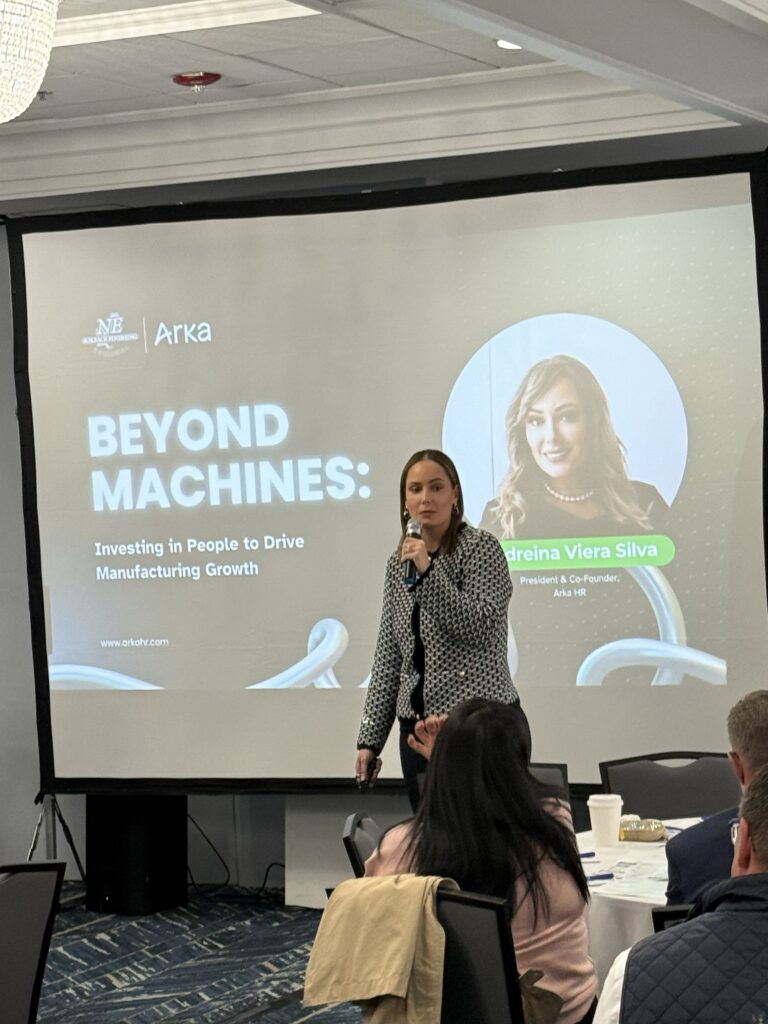
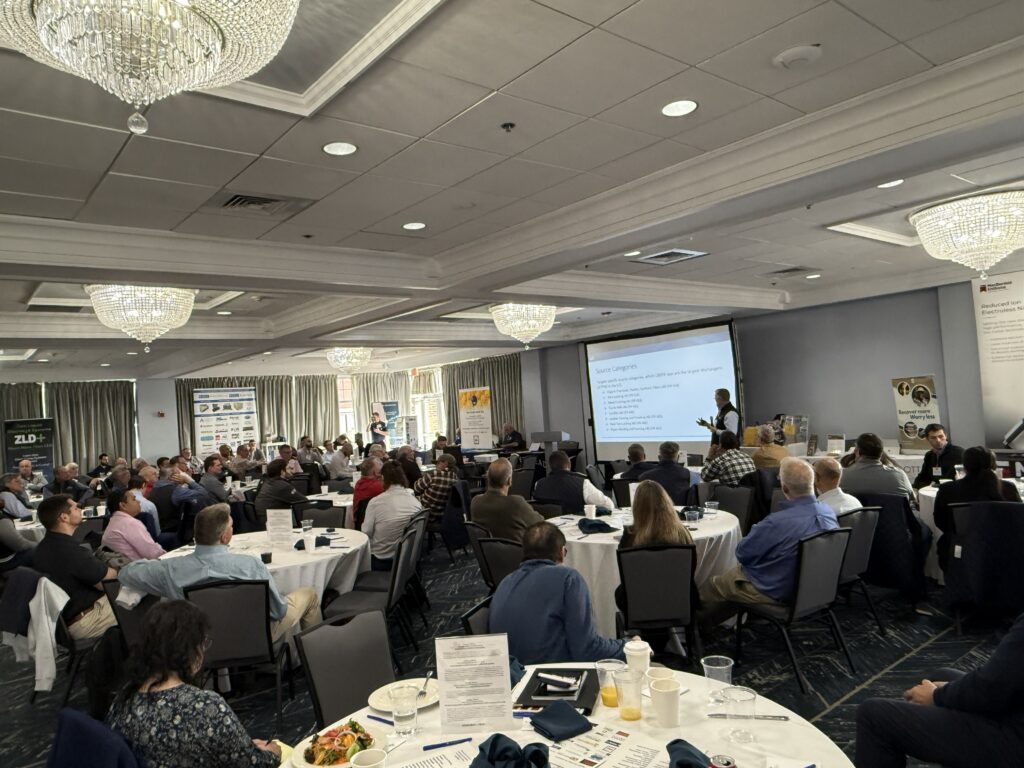
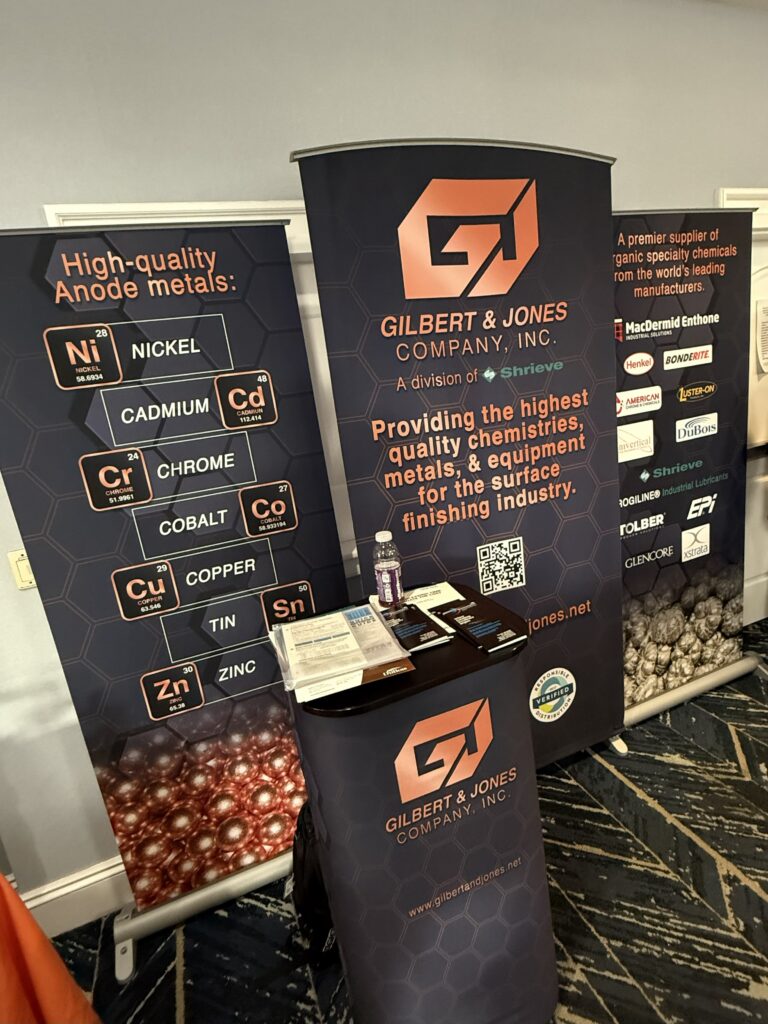
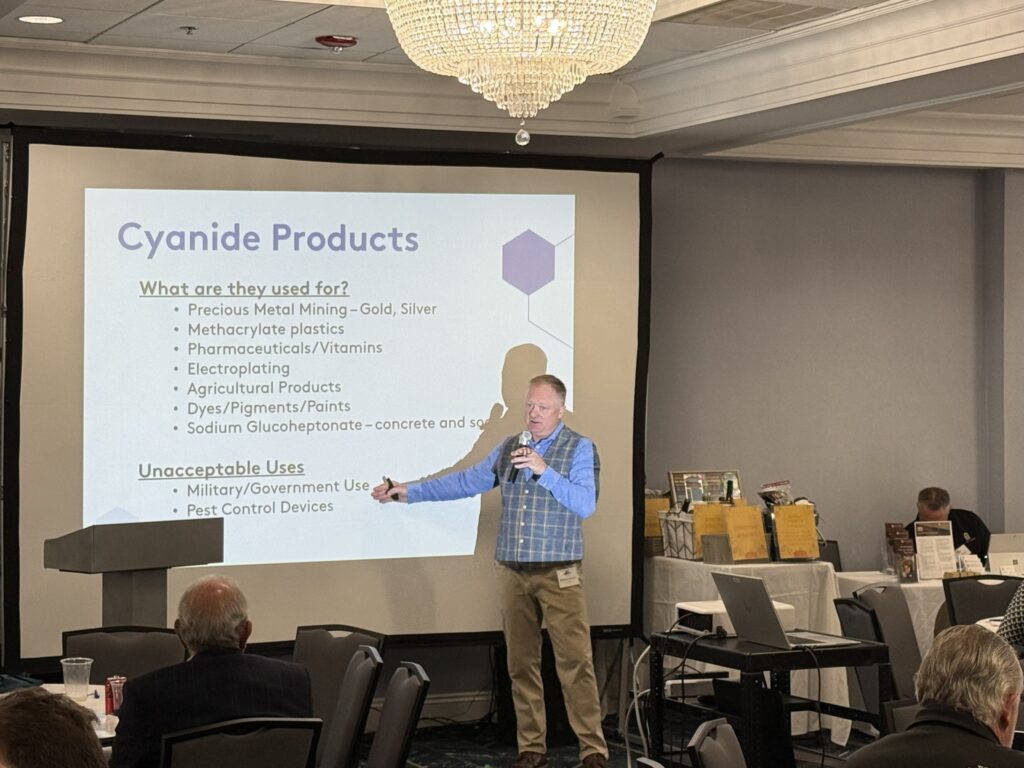
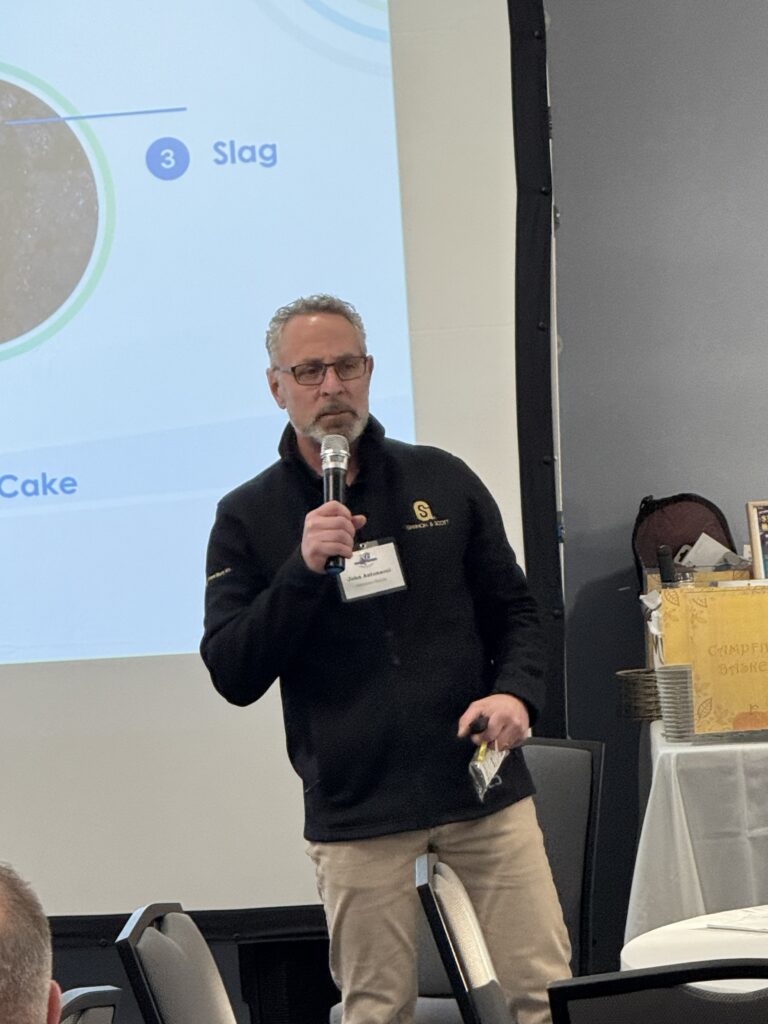
The New England Surface Finishing Regional took place this past Friday November 7th in Salem, Massachusetts. It was a huge success with a 125 people in attendance. There were speakers from all over the country that delivered educational and thoughtful presentations to all in attendance.

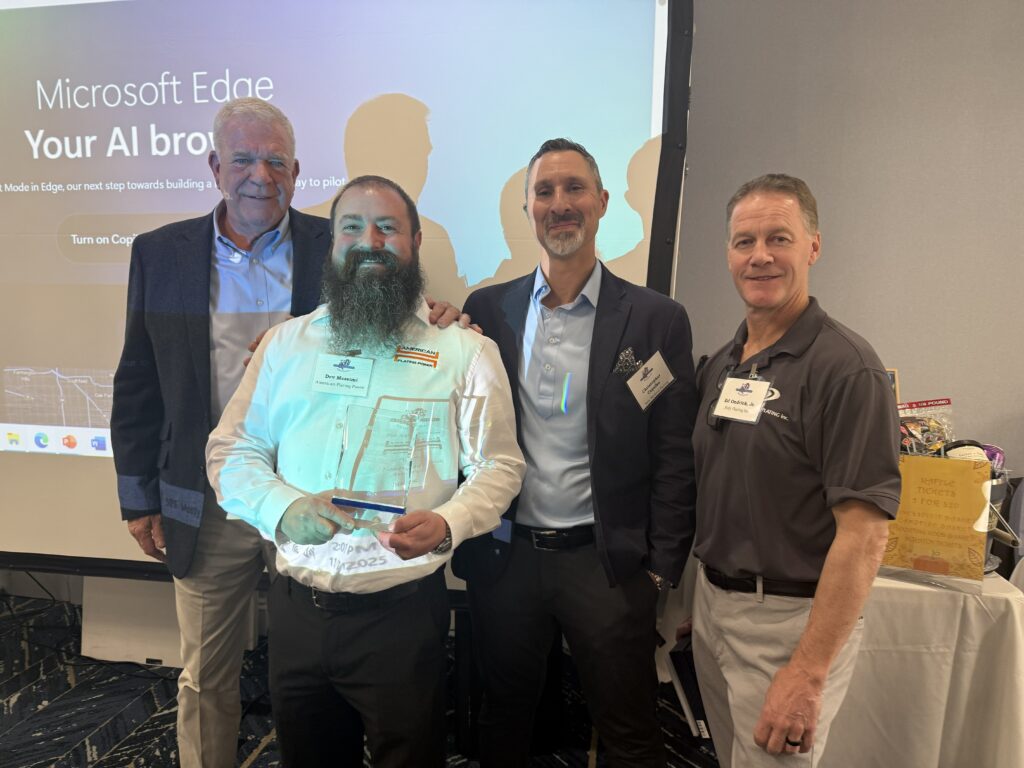
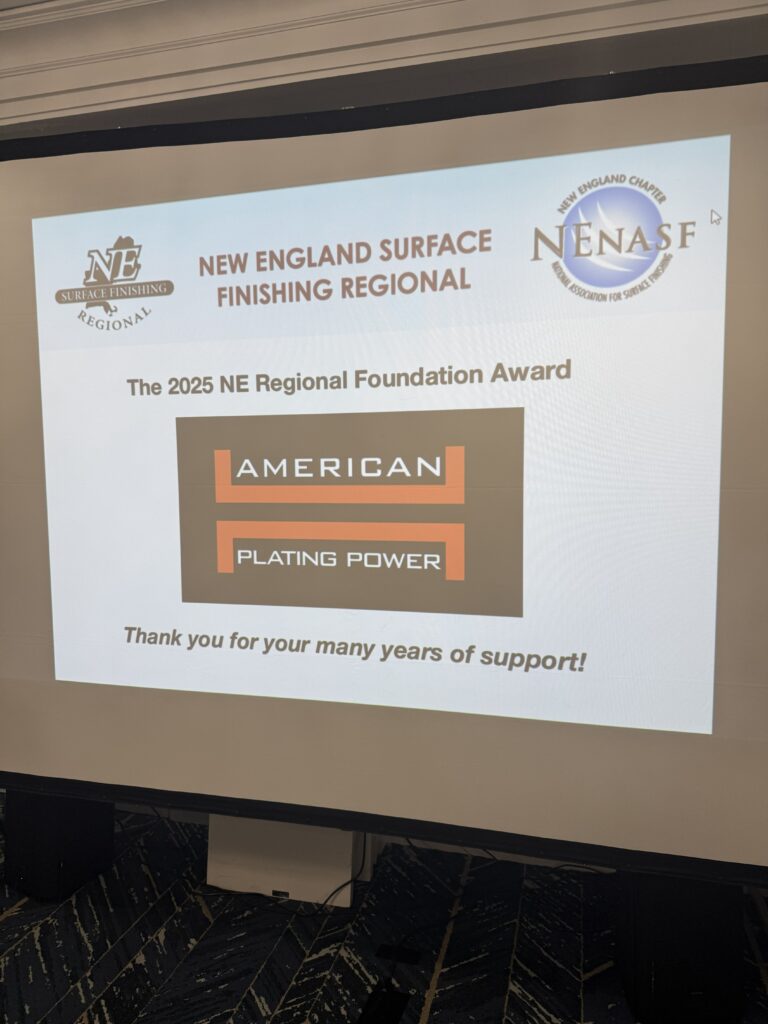
The New England Surface Finishing Regional is honored to have presented the 9th Annual Foundation Award to longtime supporter American Plating Power. The award was created to recognize a metal finishing supplier that has demonstrated outstanding contributions, support, and dedication to the annual regional event.

The 2026 the New England Surface Finishing Regional will be held November 6th in Newport, Rhode Island.

Please continue to follow www.nenasf.org all year for news and events throughout the New England metal finishing industry.

October 2025 NASF POLICY UPDATE

Date: November 1, 2025
Category: Chapter News, Regulation


While action in Washington has been disrupted by the federal government shutdown — now at 31 days and with potential for a major disruption and broader economic impact as it nears the record 35-day closure of 2018 – a number of issues remain in play for surface finishing.


This month’s update takes a closer look at new OSHA leadership and the agency’s effort to sort through some very thorny issues on how to address heat illness and injuries in both indoor and outdoor workplaces.

_____________

New OSHA Chief Confirmed: Top Priorities and a Major New Heat Rule Pending: In early October 2025, President Trump’s nominee David Keeling was confirmed by the U.S. Senate by a party-line vote of 51-47 to serve as Assistant Secretary of Labor for Occupational Safety and Health, taking the helm at OSHA. He will oversee a major workplace heat stress rulemaking decision for industry in 2026.


Outlook: OSHA’s Heat Illness and Injury Rule is Still Under Consideration: OSHA’s proposed regulatory package could be one of the more expansive standards developed by the agency based on its current scope and cost impact. First issued in the Biden administration in August 2024, it has been the topic of major concern for manufacturers and the employer community.


This Week: Small Business Administration Says OSHA Heat Rule Must Reflect the Needs of Small Operations: The Small Business Administration’s Office of Advocacy submitted a critique of OSHA’s heat rule on October 30, highlighting the concerns of small business and offering a list of recommendations to minimize burdens on operations nationwide if OSHA moves forward with a final rule or proposed a new standard.


NASF Position on PFAS from the Washington Forum is Available: During last month’s Washington Forum, members received the latest NASF PFAS Brief, which highlights the finishing industry’s long record of action on PFAS and its recommendation to Congress and EPA for a technically sound, economically feasible and small manufacturing-friendly outcome on the metal finishing PFAS regulatory proposal scheduled for next year.


The Deregulatory Agenda: A Look at the Latest Developments This Month: In a new effort to speed up deregulatory actions, The White House issued a late October memo that offers guidance to federal agencies to repeal what is highlighted as “facially unlawful” regulations without the typically required notice and comment rulemaking procedures.

For more details on these topics, see more below:

_______________________


New OSHA Chief Confirmed: Top Priorities and a Major New Heat Rule Pending

In early October 2025, President Trump’s nominee David Keeling was confirmed by the U.S. Senate by a party-line vote of 51-47 to serve as Assistant Secretary of Labor for Occupational Safety and Health, and now takes the helm at OSHA.


Top Priorities for a New OSHA


In his earlier nomination hearing Keeling, a former safety executive at UPS and Amazon who began his career as a Teamster, had signaled his top priorities would include:

  • modernizing rulemaking and regulatory oversight, including the use of new technology and predictive analytics;
  • expanding collaboration and cooperation among employers, unions and professional organizations as well as OSHA; and
  • transforming enforcement and safety culture, moving away from reactive enforcement and emphasizing proactive prevention.

He did not lay out specific priorities for rulemakings.


Other areas he emphasized that have been welcomed by industry include aligning future standards more closely with recognized consensus standards and industry best practices. Overall, the employer community viewed his remarks and pointing to more predictable enforcement and pragmatic workplace safety.


Some High-Consequence Decisions Ahead


Keeling inherits a slate of leftover items on the regulatory agenda, with OSHA managing more than a dozen active rulemakings. Among the most consequential is the long-anticipated Heat Injury and Illness Prevention in Outdoor and Indoor Work Settings proposal, which would establish the first federal standard addressing heat exposure across industries, including indoor manufacturing operations. For an update on its status and outlook, see below.


Outlook: OSHA’s Heat Illness and Injury Rule is Still Under Consideration


OSHA is currently considering a proposed regulatory package that could be one of the more expansive standards developed by the agency based on its current scope and cost impact. First issued in the Biden administration in August 2024, it has been the topic of major concern for manufacturers and the employer community. OSHA held a weeks-long series of public hearings on the proposal this summer and the post-hearing comment period has closed as of the end of October. A final rule could emerge in 2026.


Quick Summary: Major Provisions in the Heat Rule Impact Manufacturing


Under the current proposal, employers would be required to implement site-specific Heat Injury and Illness Prevention Plans (HIIPPs) when indoor or outdoor temperatures reach an initial trigger of 80 °F and expand controls at a high-heat threshold of 90 °F.


The draft includes provisions that both outdoor and indoor operations would incorporate into their plans, including:

  • access to cool drinking water,
  • shaded or cooled rest areas,
  • paid rest breaks at high heat (15 minutes every two hours),
  • acclimatization for new and returning workers,
  • periodic monitoring of conditions, and
  • a designated heat-safety coordinator, record keeping, and annual training.

Implications for the Surface Finishing Industry


For metal-finishing and plating operations, the implications are potentially significant. Many facilities operate in high-humidity or elevated-temperature environments due to ovens, dryers, and heated plating baths. Even though primarily “indoor,” many industrial operations could be subject to the standard once finalized. NASF Washington Forum attendees received a full briefing on the proposed heat rule and other pending issues from Marc Freedman, US Chamber Vice President of Employment Policy, and the association is monitoring developments closely to keep members updated on how possible requirements impacting ventilation, temperature-monitoring, rest-break policies and other areas will affect finishing operations.


Close Attention Will Be Necessary in 2026


As we continue to speak with OSHA officials on the emerging rulemaking agenda, we expect that the scope, key provisions and implementation timelines currently associated with the proposed heat rule to be modified, and the details will emerge in the coming months. If you have any questions or would like additional information, please contact Jeff Hannapel or Christian Richter with NASF at jhannapel@thepolicygroup.com or crichter@thepolicygroup.com.


This Week: Small Business Administration Says OSHA Heat Rule Must Reflect the Needs of Small Operations


The Small Business Administration’s Office of Advocacy submitted a critique of OSHA’s heat rule on October 30, highlighting the concerns of small business and offering a list of recommendations to minimize burdens on operations nationwide if OSHA moves forward with a final rule or proposed a new standard. The paper addresses several questions it asked witnesses during OSHA’s July public hearing on the proposed rule and responds to OSHA’s inquiry about how it might structure and enforce a more flexible, performance-oriented approach.


Recommended Changes to the OSHA’s Proposal


The SBA’s advocacy team has been actively involved in this OSHA rulemaking process for several years and has held multiple small business roundtables with trade associations, including NASF. Their latest comments urge several changes:

  • OSHA should avoid a one-size-fits-all rule and consider a more flexible, performance- oriented approach. Several possible alternatives include Nevada’s new state heat illness prevention regulation or an approach borrowed from other OSHA performance-oriented approaches, or issuing separate standards for different sectors such as general industry, construction, and agriculture.
  • OSHA should consider and provide for work environments and situations that are not currently addressed in the proposed rule, including hybrid or mixed outdoor/indoor work environments, situations where compliance would be impracticable, infeasible, or would create a greater hazard, and provide for employee vulnerabilities, susceptibilities or confounding factors.
  • OSHA should revisit its definition of “economic feasibility,” and, in light of the Supreme Court’s recent Loper Bright decision, adopt a more appropriate definition, such as an appropriate cost-benefit analysis from existing federal regulatory guidance.

If you have any questions or would like additional information, please contact Jeff Hannapel or Christian Richter with NASF at jhannapel@thepolicygroup.com or crichter@thepolicygroup.com.


NASF Position on PFAS from the Washington Forum is Available


Among the most prominent annual milestones for the industry was last month’s NASF Washington Forum. The event featured wide coverage of priorities for the industry on the economy, tariffs, critical minerals, the defense base and workforce issues.


Messaging For NASF Members


We also provided industry leaders in attendance a new NASF PFAS Brief, which highlights the finishing industry’s long record of action on PFAS and its recommendation to Congress and EPA for a technically sound, economically feasible and small manufacturing-friendly outcome on the regulatory proposal scheduled for 2026.


New Federal End-of-Pipe PFAS Standards is Unnecessary


The brief highlights what NASF has continued to advocate – that a new nationwide end-of-pipe standard is unnecessary given the industry’s successful elimination of legacy PFOS use, its transition to safer and ultimately PFAS-free alternatives, and ongoing collaboration with the automotive supply chain to phase out remaining uses.


Household PFAS, other Sectors Far Exceed Finishing’s Negligible Contribution to Nation’s POTWs


It also drives home an important takeaway from the POTW community and EPA studies, which show that metal finishing operations account for less than one percent of total PFAS loading nationwide, underscoring the negligible contribution from finishing relative to other industrial and consumer sources.


This point was echoed by Dr. Cynthia Finley, head of regulatory affairs for the POTWs trade association in Washington, the National Association for Clean Water Agencies (NACWA). In addition to thanking the finishing industry for working together with the local municipal treatment community, she noted that PFAS for wastewater utilities continues to be a top focus, and that a practical, phased approach is needed for POTWs rather than immediate rigid mandates from EPA.


NASF continues to work with EPA, the POTW community and other allies on the issue in the meantime. If you would like a copy of the brief, have any questions or would like additional information, please contact Jeff Hannapel or Christian Richter with NASF at jhannapel@thepolicygroup.com or crichter@thepolicygroup.com.


The Deregulatory Agenda: A Look at the Latest Developments This Month


In a new effort to speed up deregulatory actions, The White House issued a late October memo that offers guidance to federal agencies to repeal what is highlighted as “facially unlawful” regulations without the typically required notice and comment rulemaking procedures.


Agencies Can Streamline Repealing Current Rules


The memorandum cites the “good cause’ exemption of the Administrative Procedure Act (APA) as legal authority for certain deregulatory actions. The law’s “good cause’ exemption allows agencies to bypass traditional notice and comment rulemaking when an agency for any good cause finds that notice and comment rulemaking would be “impractical, unnecessary, or contrary to the public interest.” The White House memorandum suggests that the “good cause” exemption would apply to most deregulatory actions.


White House Shortening Its Own Review


In addition, to help streamline the deregulatory process the White House recommends shortening its traditional 90-day review process for major regulations to 28 days for deregulatory actions that are executed with good factual records and to 14 days for “facially unlawful” rules.


Environmental Advocacy Group Opposition, Litigation


The stated justification for the streamlined review process is that the more extensive regulatory review process is needed before new regulatory burdens are imposed, but the same process would not apply to deregulatory actions. The guidance in the memorandum is designed to help accelerate deregulatory actions currently underway.


Environmental advocacy groups have expressed strong opposition to the memorandum, claiming that it based on a flawed interpretation of the APA. They have promised to challenge this novel in court at the first opportunity.


We will continue to monitor the efforts to streamline the deregulatory process and provide updates to NASF members. If you have any questions or would like additional information, please contact Jeff Hannapel or Christian Richter with NASF at jhannapel@thepolicygroup.com or crichter@thepolicygroup.com.


NASF 1000


The NASF 1000 program was established to ensure that the surface finishing industry would ‎have resources to effectively address regulatory, legislative and legal actions impacting the ‎industry, NASF members and their workplaces. All funds from the NASF 1000 program are used ‎exclusively to support specific projects and initiatives that fall outside the association’s day-to-‎day public policy activities. The commitment to this program is one of the most vital ‎contributions made in support of surface finishing and directly shapes the future of the ‎industry. ‎


The sustained commitment from industry leaders has helped the NASF remain strong and ‎credible in informing regulatory decisions across the nation. Specific projects funded through ‎the NASF 1000 make a measurable difference in how the industry navigates emerging ‎challenges, communicates credibly with policy makers, and advocates for a strong science base ‎for rules or standards that affect surface finishing. ‎


Please consider supporting the NASF 1000 program. For more information, contact: Christian Richter (202-257-‎‎0250) or Jeff Hannapel (202 257-3756) with NASF.‎


NENASF FALL WEBINAR SEPTEMBER 2025

Date: September 19, 2025
Category: Chapter News, Events, NASF Chapters, Regulation

New England Chapter of NASF Logo

The New England Chapter once again was pleased to offer a Wastewater Continuing Education Webinar for the benefit of our membership, and open to  the entire metal finishing community. The event took place on Wednesday September 17, 2025 from 10:00am to 12:00pm. This educational webinar was offered at no charge to NENASF members as a benefit of Chapter membership.

Almost forty attendees from the metal finishing community were in attendance.


As was the custom, the program was comprised of three speakers offering vital technical and regulatory compliance information key to the metal finishing community. All attendees were eligible for two Wastewater Continuing Education Contact Hours awarded by the Mass DEP.


Brock Helton, the Preventive Maintenance Manager from Crossair, LLC gave the opening presentation. His focus was on the latest exhaust fan and fume scrubber technologies with an emphasis on proper preventive maintenance to keep these units running properly to achieve peak compliance results.

This was followed with a presentation by John Tracy, VP of Global Business Development from Aclarity, who offered a presentation on the current very fluid regulatory climate on PFAS wastewater discharge regulations. John  offered a unique remediation solution to PFAS removal in waste water through the use of electrochemical destruction.

The final speaker was Brittany McKinney from PAVCO who addressed the attendees on the benefits of various Trivalent Chrome Plating options as a replacement for traditional Hexavalent Chrome Plating processes that are currently in the cross hairs of regulatory agencies throughout the country.


The NENASF Chapter wants to once again thank our presenters for their time and expertise offered in an effort to enhance the knowledge and awareness of the metal finishing community. Also, many thanks to the dedicated NENASF members who work so hard to make educational events like this possible.

Major Development – EPA is No Longer Advancing a New Rulemaking Process for the Chromium Electroplating Air Toxics Rule

Date: June 28, 2025
Category: NASF National, Regulation


June 2025


Major Development – EPA is No Longer Advancing a New Rulemaking Process for the Chromium Electroplating Air Toxics Rule: The agency is not expected to advance a new round of review for the chromium electroplating air toxics rule anytime soon. This is in line with NASF’s long-standing position in recent years and advocacy of “no further regulatory action” needed in federal air policy for chromium. The air rule, last updated in 2012, is long overdue for a required update under the Clean Air Act’s deadline provisions.


Regulatory Update – OSHA Heat Rule Gets Massive 3-week Hearing: In a series of hearings this month, OSHA is being urged to drop a proposed Biden rule to regulate heat injury and illness. The main theme emerging from employers nationwide is for the administration to scrap the rule altogether or go back to the drawing board and consider more flexible, performance-oriented approaches to addressing heat stress in outdoor and indoor workplaces.


Policy Change: What does EPA’s Reorganization Mean: Since January, significant changes have been underway at EPA regarding its organizational shape and size and its regulatory agenda. This has included regulatory freezes, staff reductions, budget cuts, curtailing certain staff communications and an ambitious deregulatory agenda. What are the next steps in the agency’s budget, deregulatory and reorganization effort?


Washington Forum, September 15-17, 2025: Join us for this year’s Washington Forum this fall which is scheduled to take place September 15-17, 2025 at the historic Willard Hotel in Washington, DC. Our keynote speaker and more details on the agenda will be forthcoming. Please make your plans to attend this key industry event.


See below for more details on these issues…


Major Development: EPA Now No Longer Advancing a New Rulemaking Process for the Chromium Electroplating Air Toxics Rule


NASF has had ongoing discussions with EPA on a wide array of rules, science and regulatory actions, including the pending federal air toxics rule for hexavalent chromium emissions from plating and finishing. The air rule, last updated in 2012, is long overdue for a required update under the Clean Air Act’s deadline provisions.


At this time, however, with the shifting priorities of the new administration and following many exchanges from NASF Government Affairs in recent years – including our argument reflected in EPA’s own data that the nation’s finishing industry has reduced hexavalent chromium emissions by 99.7 percent since 1995 – the agency is not expected to advance a new round of review for the industry anytime soon. This is in line with NASF’s long-standing position in recent years and advocacy of “no further regulatory action” needed in federal air policy for chromium.


EPA had initially planned to have a proposed rule moving into play by later 2025. There is not yet a new date for when EPA intends to reinitiate the technology review of this rule. In the meantime, we remain in regular communication with key EPA officials and will report on any new developments. If you have any questions or would like more information on this issue, please contact Jeff Hannapel or Christian Richter at jhannapel@thepolicygroup.com or crichter@thepolicygroup.com.


Safety & Health: OSHA in Middle of Hearings on Heat Injury and Illness Prevention Rule


OSHA is now in the middle of a series of hearings this month on a proposed rule – “Heat Injury and Illness Prevention in Outdoor and Indoor Work Settings” – which was a top priority of the Biden administration. With the Trump administration now in charge of OSHA, the agency’s leadership has not yet signaled publicly whether it will keep, change or drop the heat rule. In the meantime, the hearings have been intense with wide-ranging views in testimony from key employer groups, unions and other organizations.


The 2024 proposed heat standard would apply to all employers conducting outdoor and indoor work in all general industry, construction, maritime, and agriculture sectors where OSHA has jurisdiction. The standard would require employers to create a plan to evaluate and control heat hazards in their workplace. It would also clarify employer obligations and the many steps necessary to effectively protect employees from hazardous heat.


The goal of the agency’s pending action is to prevent and reduce the number of occupational injuries, illnesses, and fatalities caused by exposure to hazardous heat. Among the issues that have been raised at the hearing, however, is precisely HOW OSHA would achieve that in a manner that is not onerous, invasive and disruptive to businesses.


NASF continues to be supportive of the U.S. Chamber of Commerce position for industry, which was conveyed last week to OSHA by Marc Freedman, the Chamber’s Vice President of Workplace Policy, who noted that the rule would apply a highly prescriptive framework for facilities, would not adapt to regional and industry-specific realities and would indeed by highly disruptive to the workplace for manufacturers and others. OSHA is being urged to either drop the rule altogether or go back to the drawing board and consider more flexible, performance-oriented approaches to addressing heat stress in outdoor and indoor workplaces.


Policy Change: Major Reorganization at EPA, What Does it Mean?


Some have described the changes that have occurred this year on the federal level as fast and furious. Since January, significant changes have been underway at EPA with regard to its organizational shape and size and its regulatory agenda. This has included regulatory freezes, staff reductions, budget cuts, prohibitions on staff communications with external stakeholders, and an ambitious deregulatory agenda.


With new leadership, EPA has not only announced its intentions but is taking action to reduce the size and scope of the agency as well as the impact of its regulatory actions. The most recently proposed federal budget plan to Congress from the White House includes nearly a 55 percent budget reduction for EPA. The rather comprehensive deregulatory agenda has also been accompanied by proposed organizational changes to EPA that affects its regulatory priorities and how they impact the metalcasting industry. Some of the most recent developments are discussed below.


EPA Air Office Reorganization


Under EPA’s Air Office reorganization, the Climate Change Division, the Climate Protection Partnership, and other climate change functions currently housed in the Office of Atmospheric Protection (OAP) are being eliminated, signaling a shift in priorities away from climate change programs.


Moving beyond climate, the Office of Air Quality Planning and Standards (OAQPS) and the Office of Atmospheric Protection (OAP) itself would be abolished. OAQPS, which is currently responsible for approximately 80 percent of EPA’s air regulations, is being split into two new offices: the Office of Clean Air Programs (OCAP) and the Office of State Air Partnerships (OSAP). OCAP will implement the regulatory work required under the Clean Air Act (e.g., National Ambient Air Quality Standards (NAAQS) and National Emission Standards for Hazardous Air Pollutants (NESHAP)), and OSAP will handle approvals of state implementation plans (SIPs) and address air permitting issues (to support cooperative federalism efforts).


With the reorganization, EPA will reassign current staff to new positions within the agency, but staff reductions are expected as some OAQPS personnel were offered a second round of buyouts and are likely to leave the agency. Of course, uncertainty remains as the changes are now subject to a temporary restraining order (TRO) sought by environmental and labor groups that has been appealed to the U.S. Court of Appeals.


Even supporters of the air office reorganization have expressed concerns about the timing for the changes and how they may impact EPA’s ambitious deregulatory agenda. Keep in mind that even with the deregulatory push, EPA is a regulatory agency that will continue to issue regulations, many of which are required by statutes enacted by Congress over decades. Furthermore, deregulatory actions take time, require staff to implement the agenda, and need budget resources to support the effort. Deregulation does not necessarily come easily.


EPA Office of Research and Development


In addition, the Trump Administration plans to shutter the Office of Research and Development (ORD). Many ORD staff are expected to be reassigned to the Office of Chemical Safety & Pollution Prevention (OCSPP) to help with the risk evaluation of existing chemicals and the Office of Air and Radiation (OAR) to address backlog of air regulations statutory reviews. Additional ORD staff are slated to be sent to a new Office of Applied Sciences and Environmental Solutions (OASES) within the Office of the Administrator to “align research and put science at the forefront of the agency’s rulemakings and technical assistance to states.” Critics have warned that the closing of ORD is causing a science “brain drain” within the agency and that housing research functions within the administrator’s office will make it vulnerable to politicized micromanaging of science to support deregulatory conclusions.


Potential Impact of Staff Reduction and Reorganization


With reduced staff, ambitious timetables, and slashed budgets, EPA is now in the process of drafting proposed rules that will be subject to the notice-and-comment process of the Administrative Procedure Act (APA). This includes proposals to revise or rescind The Clean Power Plan, greenhouse gas (GHG) rules, air toxic standards, and NAAQS such as the PM2.5 rule, as well as reconsidering the GHG endangerment finding. Issuing proposed rules by the end of 2025 would be considered a significant accomplishment for EPA. It is an incredible workload in an incredibly short time frame for the current agency workforce.


All of this demonstrates the Trump Administration’s ongoing tension between meaningful regulatory reform and dramatically reducing the size and scope of the agency. EPA has moved from its regulatory review and evaluation stage to implementing its ambitious deregulatory plan. The success of the agency reorganization and the deregulatory agenda will play out over the next six months and beyond as EPA works diligently to issue new proposed rules to support its historic deregulatory agenda and meet its statutory requirements.


Throughout this process, the surface finishing industry will be presented with many opportunities and challenges to shape the regulatory landscape that impacts its operations. Next month, we will address water quality and effluent guidelines and the outlook for industry and finishing, including the still looming issues connected with PFAS. If you have any questions or would like more information on this issue, please contact Jeff Hannapel or Christian Richter at jhannapel@thepolicygroup.com or crichter@thepolicygroup.com.


Washington Forum, September 15-17, 2025


The Washington Forum will take place September 15-17, 2025 at the historic Willard Hotel in Washington, D.C. Please make your plans to attend this key industry event. Registration will be available shortly, and details on the agenda and keynote will be announced imminently.


Forum Topics and Speakers


The Forum will include presentations and briefings from national and global experts on pertinent policy, technical, regulatory, and management issues impacting the surface finishing industry, including speakers from EPA, DOD, the Nickel Institute, the U.S. Chamber of Commerce and other organizations.


In addition, Washington Forum participants also have the option during the event to meet with their congressional representatives and staff to educate them on the importance and impact of the surface finishing industry, the challenges facing companies across key sectors and regions, and specific policy priorities of concern.


We look forward to seeing you at the Washington Forum this year. If members have questions or would like additional information about the Washington Forum, please contact Jeff Hannapel or Christian Richter with NASF at jhannapel@thepolicygroup.com or cichter@thepolicygroup.com.


NASF 1000


The NASF 1000 program was established to ensure that the surface finishing industry would ‎have resources to effectively address regulatory, legislative and legal actions impacting the ‎industry, NASF members and their workplaces. All funds from the NASF 1000 program are used ‎exclusively to support specific projects and initiatives that fall outside the association’s day-to-‎day public policy activities. The commitment to this program is one of the most vital ‎contributions made in support of surface finishing and directly shapes the future of the ‎industry. ‎


The sustained commitment from industry leaders has helped the NASF remain strong and ‎credible in informing regulatory decisions across the nation. Specific projects funded through ‎the NASF 1000 make a measurable difference in how the industry navigates emerging ‎challenges, communicates credibly with policy makers, and advocates for a strong science base ‎for rules or standards that affect surface finishing. ‎


Please consider supporting the NASF 1000 program. For more information, contact: Christian Richter (202-257-‎‎0250) or Jeff Hannapel (202 257-3756) with NASF.‎


Public Policy Report – May 2025

Date: May 31, 2025
Category: Events, NASF National, Regulation


See You at SUR/FIN! NASF Government and Industry Affairs Presentation on Thursday, June 5 @ 9:00 – 10:00 AM


It has been a historic year in 2025 on the public policy front with the many changes underway in Washington and beyond. With new faces at the agencies, historic changes underway across the federal government and new challenges emerging on metals and minerals, regulation, tariffs, defense and manufacturing competitiveness, there has been much on the agenda.


To keep members informed and hear your questions and concerns, we’ll look forward to seeing you and presenting the NASF Public Policy Update on Thursday, June 6 @ 9:00 – 10:00 am CT on the show floor stage.


We will be covering a number of topics and providing updates on major issues that impact the industry. We’ll also be available to answer questions all week as well.


In the meantime, see some of the latest developments this month below.


See you in Rosemont!


Federal Nickel Toxics and Exposure Profile Removed for Further Agency Review


The Agency for Toxic Substances and Disease Registry (ATSDR) has temporarily removed its recently finalized Nickel Toxicological Profile and related nickel documents from its public webpage. The agency, which operates under the Centers for Disease Control, states that it is now evaluating earlier health calculations associated with its final publication for nickel several months ago.


The ATSDR’s final Nickel Toxicology Profile, which it developed over several years and published in November 2024, raised major concerns for NASF and other sectors. Among the more problematic issues was its extremely conservative approach to human exposure in its calculations, which were not aligned with other authoritative health, scientific and regulatory bodies. Because the ATSDR profiles are considered the “gold standard” for regulators and public health agencies across the U.S. and worldwide, the final profile would drive significant changes to nickel regulation for industry.


NASF will keep members apprised of any new developments on this issue.


REMINDER: NASF Automotive Roundtable Webinar Recording Available to Members on Trivalent Chromium and PFAS Transition


NASF members can view the webinar recording of the association’s recent trivalent chromium webinar, developed in collaboration with the Detroit-based Automotive Industry Action Group (AIAG). For the past three years NASF has been collaborating with the Automotive Industry Action Group (AIAG), automotive OEMs, chemical suppliers, and finishing applicators to trivalent chromium coatings in the automotive supply chain.


Among the highlights of the webinar, which features a dozen panelists and a Q&A session from the automotive, supplier and plating community, were key remarks by industry colleagues from Toyota and General Motors, who reviewed emerging policies and timelines for transition from hexavalent to trivalent chromium for decorative plating and chromic acid etch, as well as eliminating PFAS in the supply chain.


NASF and AIAG have plans to continue the initiative and expand the discussion into 2026 on emerging OEM timelines, practical challenges and further opportunities for coordination.


If members have further questions or would like additional information on the project and outlook, please reach Christian Richter at crichter@thepolicygroup.com or Jeff Hannapel and jhannapel@thepolicygroup.com .


NASF Coordinates with Industry Allies in Response to White House Request for Deregulatory Action


In response to a White House request for information on areas that would benefit from deregulation, NASF coordinated this month with key manufacturing allies to urge the administration to rescind EPA’s August 2024 assessment for hexavalent chromium. The White House Office of Management and Budget requested suggestions for “regulations that are unnecessary, unlawful, unduly burdensome, or unsound.”


An existing federal court order requires EPA to revise the current U.S. drinking water standard for chromium within three years once EPA’s scientific assessment is completed. However, NASF and several other trade associations agree with EPA’s own Science Advisory Board that the document contained significant and consequential deficiencies which were never addressed prior to agency’s final action. As a result, EPA’s conclusions could likely lead to a drinking water value below average background levels, with costs to municipal drinking water systems as well as industry reaching $20 billion over time with little to no public health benefit.


NASF was joined by the Specialty Steel Industry of North America, the Industrial Fasteners Institute, the National Tooling and Machining Association, the Precision Machined Products Association, the Precision Metalforming Association and the Plumbing Manufacturers Institute.


NASF Calls for EPA to Withdraw Pending Federal Stormwater Permit Rule for Industrial Discharges


NASF has been closely engaged in EPA’s industrial stormwater discussions, and recently joined with the U.S. Chamber of Commerce to urge that agency to withdraw its December 2024 proposed Multi-Sector General Permit (MSGP) for industrial stormwater discharges. The proposal was included in the Biden administration’s last tranche of regulatory actions and deadlines for the agency before the inauguration.


Among the issues raised particularly for small business were the potential for significant costs and unintended consequences for facilities nationwide, including the proposed inclusion of PFAS in the monitoring requirements for rule. In broader comments to the agency, the industry recommended that EPA:

  • provide evidence that metal finishing and others significantly impacting stormwater discharges;
  • disclose the data it used to justify proposed PFAS reporting; and
  • consider the total costs of monitoring and sampling.

NASF and others are urging EPA to delay PFAS monitoring in the stormwater permit rule renewal until more information is available and an appropriate dialogue with industry is convened.


EPA Advancing on New Plan to Address PFAS


EPA has been taking next steps on PFAS policy since agency chief Lee Zeldin recently released a widely anticipated outline to address PFAS contamination that, unlike other environmental policy announcements, maintains many of the priorities from the Biden Administration, albeit with a shift in emphasis. EPA’s PFAS actions will fall under three broad categories:

  • strengthening science;
  • fulfilling statutory obligations; and
  • enhancing communication and building partnerships.

The development of effluent guideline limitations (ELGs) for metal finishing was included in the list of PFAS actions that EPA plans to address and was expected based on our ongoing discussions with the agency.


Zeldin’s announcement reflects his longstanding advocacy on PFAS from serving his Long Island district in Congress, including support for funding local communities’ cleanup of PFAS-contaminated water systems and promoting the need for a “polluter pays” model for PFAS contamination. He has expressed interest in working with Congress to exempt only “passive receivers,” like POTWs, drinking water agencies, local governments, and farmers, from bearing the costs for PFAS remediation pursuant to Superfund.


The agency has also stated that it is exploring better ways to use RCRA authorities to address PFAS contamination rather than Superfund. In addition, EPA is actively evaluating how to provide relief and more feasible compliance with the PFASA drinking water standard for drinking water providers.


EPA still intends to designate a PFAS lead official to help align and manage the broad array of PFAS efforts across different agency programs. NASF will continue to actively engage on these issues at both the federal and state level and provide updates to NASF members on critical developments. If you have any questions or would like ‎additional information regarding EPA’s new PFAS strategy or its potential impacts on the surface finishing industry, please contact Jeff Hannapel or Christian Richter with NASF at jhannapel@thepolicygroup.com or crichter@thepolicygroup.com .


NASF 1000


The NASF 1000 program was established to ensure that the surface finishing industry would ‎have resources to effectively address regulatory, legislative and legal actions impacting the ‎industry, NASF members and their workplaces. All funds from the NASF 1000 program are used ‎exclusively to support specific projects and initiatives that fall outside the association’s day-to-‎day public policy activities. The commitment to this program is one of the most vital ‎contributions made in support of surface finishing and directly shapes the future of the ‎industry. ‎


The sustained commitment from industry leaders has helped the NASF remain strong and ‎credible in informing regulatory decisions across the nation. Specific projects funded through ‎the NASF 1000 make a measurable difference in how the industry navigates emerging ‎challenges, communicates credibly with policy makers, and advocates for a strong science base ‎for rules or standards that affect surface finishing. ‎


Please consider supporting the NASF 1000 program. For more information, contact: Christian Richter (202-257-‎‎0250) or Jeff Hannapel (202 257-3756) with NASF.‎


Older posts