SKIP TO CONTENT

info@nenasf.org
508-754-2671

JANUARY 2026 NASF POLICY UPDATE

Date: February 14, 2026
Category: NASF Chapters, NASF National, Regulation


Critical Minerals – The United States hosted a Critical Minerals Ministerial in early February, ‎bringing together representatives from more than 50 countries and the European Commission to ‎discuss global supply chain challenges related to critical minerals and rare earth elements. The ‎meeting, led by senior U.S. officials from across the Administration, focused on the role these ‎materials play in advanced manufacturing, energy technologies, and emerging industries, as ‎well as the risks associated with concentrated global supply.‎


NASF PFAS Litigation Initiative – PFAS-related litigation continues to expand nationwide, ‎with new lawsuits in recent months involving manufacturers, surface finishers, and suppliers. In ‎response, NASF has launched a new PFAS litigation monitoring and member guidance initiative ‎to help members stay informed as these cases continue to develop across the country.‎


Economic Outlook – Several widely followed economic reports released over the past two ‎weeks provide an updated snapshot of conditions facing manufacturers. The Conference Board’s ‎Consumer Confidence Index, released January 27, fell to 84.5, down from 94.2 in December. ‎The report showed declines in both how consumers view current conditions and their ‎expectations for the months ahead, indicating growing caution among households.‎


TSCA Reform – Congress is once again examining changes to how EPA reviews and regulates ‎chemicals under the federal Toxic Substances Control Act (TSCA). In late January, the House ‎Energy and Commerce Committee held a hearing on draft legislation that would adjust EPA’s ‎approach to both existing chemicals (including metals) already in commerce and new chemicals ‎entering the market, including reformulated products and new materials for industrial ‎applications.‎


WOTUS Clarifications – A major effort to clarify how wetlands and land uses are regulated ‎under the Clean Water Act is advancing through an EPA proposed rule that responds to the ‎recent, ground-breaking Supreme Court Sackett decision. The proposal represents the latest ‎attempt to clarify the scope of federal authority over local land-use decisions involving ‎wetlands and related water features on private property.‎


More details on these topics are below…‎

‎___________________________________________‎


U.S. Hosts Critical Minerals Ministerial Focused on Supply Chain Coordination


The United States hosted a Critical Minerals Ministerial in early February, bringing together ‎representatives from more than 50 countries and the European Commission to discuss global ‎supply chain challenges related to critical minerals and rare earth elements. The meeting, led by ‎senior U.S. officials from across the Administration, focused on the role these materials play in ‎advanced manufacturing, energy technologies, and emerging industries, as well as the risks ‎associated with concentrated global supply. Discussions covered a range of minerals critical to ‎industrial manufacturing, including copper, nickel, cobalt, lithium and other metals and ‎materials used across downstream supply chains.‎


Strengthening Supply Chain Resilience


The U.S. Department of State highlighted discussions at the ministerial centered on ‎strengthening supply chain resilience through greater coordination among participating ‎countries, expanded investment, and improved logistics and processing capacity. The United ‎States also announced a series of new bilateral frameworks and memoranda intended to support ‎cooperation on critical minerals development, financing, and trade.‎


U.S. officials emphasized that many of the initiatives discussed are ongoing or newly launched ‎efforts, and that further work will be required to address challenges related to pricing, ‎investment risk, and market structure. Several agencies discussed existing and planned ‎financing tools aimed at supporting domestic and international critical minerals projects, while ‎also underscoring the importance of private-sector participation.‎


New Research Reports Released on Critical Minerals Market Challenges


Recent analysis from Washington policy organizations is also informing the Administration’s ‎growing focus on critical minerals. A December 2025 brief from the SAFE Center for Critical ‎Minerals Strategy, Critical Minerals Pricing Mechanisms, along with a January 2026 report ‎from the Center for Strategic and International Studies (CSIS) titled Minerals at War, ‎examine how structural market distortions – particularly in key metals – can undermine supply ‎security. ‎


The CSIS report frames critical minerals as a long-term national security challenge and ‎highlights historical examples where governments combined pricing tools, procurement, ‎financing, and allied coordination to stabilize strategic supply chains. Together, these analyses ‎underscore growing interest in whether limited, targeted market interventions may be ‎considered alongside traditional trade and investment tools, though how such approaches would ‎be designed or applied remains an open question. NASF will continue to track these discussions ‎as they evolve.‎


NASF Launches PFAS Litigation Update and Member Guidance Initiative


PFAS-related litigation continues to expand nationwide, with new lawsuits in recent months ‎involving manufacturers, surface finishers, and suppliers. In response, NASF has launched a ‎new PFAS litigation monitoring and member guidance initiative to help members stay informed ‎as these cases continue to develop across the country.‎


Surface Finishing Focus ‎


As part of this effort, NASF is working with Keller and Heckman LLP, a Washington-based law ‎firm with extensive experience in PFAS and chemical regulatory matters, to develop and ‎present a series of member-only webinars and to participate in key industry events later this ‎year. These briefings will focus on PFAS litigation as it relates specifically to surface finishing ‎and other downstream industrial users, including recent cases, emerging legal theories, and ‎practical considerations relevant to plating and finishing operations.‎


Updates, Education and Risk Awareness


Recent PFAS lawsuits have increasingly moved beyond chemical manufacturers to name ‎downstream industrial users, waste handlers, and suppliers, including companies involved in ‎surface finishing. Through this initiative, NASF will provide periodic updates on litigation ‎trends, significant court developments, and general risk awareness considerations. The program ‎is intended to help members better understand the evolving PFAS litigation landscape and does ‎not constitute legal advice. Additional details on webinar scheduling and content will be shared ‎with members in the coming weeks.‎


Recent Economic Reports Point to Mixed Signals But Some Good News Moving into ‎February


Several widely followed economic reports released over the past two weeks provide an updated ‎snapshot of conditions facing manufacturers. The Conference Board’s Consumer Confidence ‎Index, released January 27, fell to 84.5, down from 94.2 in December. The report showed ‎declines in both how consumers view current conditions and their expectations for the months ‎ahead, indicating continued caution among households.‎


Manufacturing Activity Increasing


Manufacturing activity data moved in the opposite direction. S&P Global’s U.S. ‎Manufacturing PMI for January, released January 24, increased to 52.4, up from 51.8 in ‎December, reflecting the sharpest upturn since May 2022. The report noted that production ‎increased and new orders returned to growth, while firms continued to cite cost pressures and ‎weaker export demand.‎


Manufacturing Jobs Trending Lower


Many saw the recent employment data show manufacturing job levels meaningfully lower over ‎the past year. According to the Bureau of Labor Statistics’ Current Employment Statistics ‎report (as reflected in Federal Reserve Bank of St. Louis data), total U.S. manufacturing ‎employment declined by roughly 70,000 jobs from December 2024 to December 2025. ‎


Employment also moved lower in the final month of 2025, falling from approximately 12.70 ‎million jobs in November to about 12.69 million jobs in December, or about 8,000 jobs. ‎Average weekly hours in manufacturing declined slightly in December as well, from 40.1 hours ‎to 39.9 hours. The next monthly report will be issued in the coming days.‎

NASF will continue to track these key indicators and share updates as new data are released for ‎manufacturers as well as for surface finishing operations.‎


For a copy of the most recent NASF Economic Report for Surface Finishing: 2025, please ‎contact Jeff Hannapel at jhannapel@thepolicygroup.com or Christian Richter at ‎crichter@thepolicygroup.com. ‎


Congress Looking to Make Changes to Federal Chemicals Regulations


Congress is once again examining changes to how EPA reviews and regulates chemicals under ‎the federal Toxic Substances Control Act (TSCA). In late January, the House Energy and ‎Commerce Committee held a hearing on draft legislation that would adjust EPA’s approach to ‎both existing chemicals (including metals) already in commerce and new chemicals entering ‎the market, including reformulated products and new materials for industrial applications.‎


Real-World Scenarios and Hazards ‎


For manufacturers, the proposal matters because it would influence how quickly EPA completes ‎chemical reviews and how risk decisions are made. The draft would push EPA to focus risk ‎evaluations on real-world hazards and human exposures, rather than more speculative scenarios, ‎and would seek to reduce delays in EPA’s pre-manufacture review process for new chemicals. ‎Many industry supporters argue this could improve predictability for companies developing new ‎products or responding to supply-chain and regulatory pressures.‎


Coordination between EPA and OSHA on Requirements


The draft legislation would also encourage greater coordination between EPA and other federal ‎agencies, such as OSHA, to avoid overlapping or conflicting requirements. While supporters say ‎the proposal would promote science-based regulation and more practical compliance outcomes, ‎critics argue it could weaken health and environmental protections. The proposal faces an ‎uncertain path in Congress, but it reflects ongoing interest in revisiting how TSCA is ‎implemented. NASF will continue tracking the discussion and assessing what potential changes ‎could mean for surface finishers and downstream manufacturers.‎


EPA Clarifications to “Waters of the United States” Rule Are Advancing


A major effort to clarify how wetlands and land uses are regulated under the Clean Water Act is ‎advancing through an EPA proposed rule that responds to the recent, ground-breaking Supreme ‎Court Sackett decision. The proposal represents the latest attempt to clarify the scope of federal ‎authority over local land-use decisions involving wetlands and related water features on private ‎property.‎


The proposal includes revised definitions for what water features on private land constitute ‎‎“waters of the United States” (WOTUS) and will determine the precise scope of federal Clean ‎Water Act permitting. Once finalized, the rule will affect whether facilities need permits for ‎activities such as filling, excavation, or site development associated with expansions or ‎infrastructure improvements.‎


Certainty and Durability for Future Decisions


The proposed clarifications seek more certainty for landowners with new definitions for key ‎terms such as what qualifies as a “relatively permanent” water and what constitutes a ‎‎“continuous surface connection” between a water feature and an adjacent jurisdictional water. ‎EPA, along with the U.S. Army Corps of Engineers, also proposes confirming that certain ‎features – including groundwater, most ditches constructed in dry land, and certain other ‎features – are excluded from federal jurisdiction. Agency officials have stated that these ‎changes are intended to narrow the scope of regulated waters and reduce uncertainty for ‎regulated entities.‎


Small Business Concerns and Permitting Issues


Industry groups generally view the proposed clarifications as a positive step toward a more ‎predictable permitting framework for facility expansions and site improvements. However, ‎some stakeholders have raised concerns by tying permitting conditions and decisions to a “wet ‎season,” noting that a seasonal approach could introduce new problems. While the issue is often ‎discussed in agricultural contexts, input from business and construction stakeholders has urged ‎EPA to provide greater clarity to ensure that seasonal interpretations do not complicate ‎permitting decisions or long-term site planning for regulated facilities.‎


While the proposed rule does not eliminate all uncertainty, it represents the latest effort to draw ‎clearer jurisdictional boundaries for land-use decisions. NASF will continue to monitor the ‎rulemaking process and provide updates as EPA and the Corps move toward a final rule.‎


NASF 1000


The NASF 1000 program was established to ensure that the surface finishing industry would ‎have resources to effectively address regulatory, legislative and legal actions impacting the ‎industry, NASF members and their workplaces. All funds from the NASF 1000 program are used ‎exclusively to support specific projects and initiatives that fall outside the association’s day-to-‎day public policy activities. The commitment to this program is one of the most vital ‎contributions made in support of surface finishing and directly shapes the future of the ‎industry. ‎


The sustained commitment from industry leaders has helped the NASF remain strong and ‎credible in informing regulatory decisions across the nation. Specific projects funded through ‎the NASF 1000 make a measurable difference in how the industry navigates emerging ‎challenges, communicates credibly with policy makers, and advocates for a strong science base ‎for rules or standards that affect surface finishing. ‎


Please consider supporting the NASF 1000 program. For more information, contact: Christian Richter (202-257-‎‎0250) or Jeff Hannapel (202 257-3756) with NASF.‎


December 2025 NASF Policy Update

Date: January 8, 2026
Category: NASF Chapters, NASF National, Regulation


With 2025 in the rearview mirror and the New Year underway, major policy decisions affecting manufacturing and the surface finishing industry remain pending in Washington. Most members of Congress want to avoid another government shutdown at the end of January and are working to negotiate on unfinished spending bills for the current fiscal year. Still, Republicans and Democrats disagree on a host of other issues, and narrow margins in the House will complicate the path forward for broader legislative action.


As midterm elections loom this November and the congressional calendar is shortened, legislative productivity on Capitol Hill has fallen to historic lows at this point, with 40 bills enacted last year. At the Supreme Court, a decision on the legality of the President’s emergency tariffs is expected shortly, putting more than $200 billion in tariff revenue generated last year at stake.


In the executive branch, while historic deregulation and a reshaping of the federal bureaucracy remain top White House priorities, leadership at EPA, OSHA, and other agencies will continue to pursue major regulatory initiatives with implications for U.S. industry.


NASF is engaged across the board on a wide range of matters affecting the industry, including metals and supply chain discussions, materials uses and restrictions pending in the U.S. and globally, a nationwide PFAS decision for metal finishing in 2026 and larger PFAS litigation that touches downstream industrial users, including plating and finishing operations.


See more on recent and emerging developments as we kick off the New Year. A headline summary and expanded updates are below…

__________________

Latest Small Business, GDP Data – As the New Year Begins, U.S. Chamber Small Business Index Points to Slight Softening Despite Solid Recent GDP Growth – As the first week of January gets underway, recently released survey data reinforce what many small businesses and manufacturers are reporting as they plan for the months ahead. The MetLife & U.S. Chamber of Commerce Small Business Index (SBI), published in mid-December, registered 68.4 for the fourth quarter, down from 72.0 in the prior quarter and broadly in line with year-ago levels.


Deregulation – EPA Enforcement Office Announcement Highlights Focus This Year on “Compliance First” Approach – EPA’s Office of Enforcement and Compliance Assurance (OECA) just issued a December 5 memo that focuses on a “compliance first” approach to environmental enforcement actions. The memo emphasizes prioritizing environmental compliance across all types of enforcement activities using what EPA describes as the most efficient and defensible means available, while aligning enforcement actions with the Trump administration’s executive orders and priorities.


Legislation – New PFAS Liability Legislation Introduced in House and Senate – New PFAS-related liability legislation was re-introduced in Congress in mid-December that would amend the Toxic Substances Control Act (TSCA) to establish a federal cause of action and authorize medical monitoring for individuals significantly exposed to per- and polyfluoroalkyl substances (PFAS), with claims directed at parties involved in PFAS manufacturing.


European Commission is Seeking Input on Workplace Exposure Limits for Chromium and Other Key Substances – The European Commission in December a consultation on occupational exposure to certain chromium compounds and six other substances as part of its ongoing review of workplace health and safety rules under the Carcinogens, Mutagens and Reprotoxic Substances Directive (CMRD).

_____________

As the New Year Begins, U.S. Chamber Small Business Index Points to Slight Softening Despite Solid Recent GDP Growth


As the first week of January gets underway, recently released survey data reinforce what many small businesses and manufacturers are reporting as they plan for the months ahead. The MetLife & U.S. Chamber of Commerce Small Business Index (SBI), published in mid-December, registered 68.4 for the fourth quarter, down from 72.0 in the prior quarter and broadly in line with year-ago levels. While most underlying measures did not show sharp declines, the survey shows some softening in areas such as comfort with cash flow and plans for future hiring and investment.


The most significant challenge facing small business owners is inflation, followed by workforce pressures. Fewer respondents report being very comfortable with current cash flow, and assessments of local economic conditions declined slightly, with 43% saying their local economy is in good health. Concerns related to employee retention and attracting qualified workers increased compared to late 2024, underscoring ongoing labor constraints.


These conditions persist even as the most recent official GDP data, released by the U.S. Bureau of Economic Analysis in late December, showed strong economic growth in the third quarter of 2025. Other industry-specific indicators also point to a moderation in activity. For many manufacturers and finishers, the data underscore a familiar reality heading into the new year: headline economic growth has not fully alleviated cost, labor, and operating challenges on the ground.


For more information, please contact Jeff Hannapel (jhannapel@thepolicygroup.com) or Christian Richter (crichter@thepolicygroup.com) with NASF.


EPA Enforcement Office Will Focus on New “Compliance First” Approach in 2026


EPA’s Office of Enforcement and Compliance Assurance (OECA) just issued a December 5 memo that focuses on a “compliance first” approach to environmental enforcement actions.


The memo emphasizes prioritizing environmental compliance across all types of enforcement activities using what EPA describes as the most efficient and defensible means available, while aligning enforcement actions with the Trump administration’s executive orders and priorities.

The agency says it intends to focus enforcement efforts on achieving timely compliance rather than pursuing enforcement actions that may extend negotiations or delay corrective action at a facility.


The memo and the announcement accompanying it underscore that EPA’s core enforcement functions will be maintained – including monitoring compliance with environmental laws and returning regulated entities back to compliance – while placing greater emphasis on practical outcomes and clarity around the requirements of the law.

For manufacturers and surface finishers, the policy signals a continued shift toward resolving compliance issues earlier in the process and potentially fewer prolonged enforcement disputes. While EPA has noted that enforcement will continue where violations persist, the compliance-first approach reflects a more selective and outcome-focused approach, particularly in non-criminal matters.


NASF will continue to monitor how this policy is implemented across EPA programs and what it may mean for compliance expectations, inspection activity, and enforcement risk in the months ahead.


For more information, please contact Jeff Hannapel (jhannapel@thepolicygroup.com) or Christian Richter (crichter@thepolicygroup.com) with NASF.


New PFAS Liability Legislation Introduced in House and Senate


New PFAS-related liability legislation was re-introduced in Congress in mid-December that would amend the Toxic Substances Control Act (TSCA) to establish a federal cause of action and authorize medical monitoring for individuals significantly exposed to per- and polyfluoroalkyl substances (PFAS), with claims directed at parties involved in PFAS manufacturing.


The legislation, H.R. 6626 / S. 3460 – the PFAS Accountability Act of 2025 – was introduced by Rep. Madeleine Dean (D-PA) and Sen. Kirsten Gillibrand (D-NY). Additional House co-sponsors include Reps. Debbie Dingell (D-MI), Jerry Nadler (D-NY) and Rashida Tlaib (D-MI).


The bill has been referred to the House Energy and Commerce and the Judiciary committees.


Environmental groups and other plaintiffs have argued for some time that medical monitoring should be allowed as a remedy for exposures to PFAS because some related health effects may take years to develop.


Key Provisions


Federal Cause of Action – The bill would add a new section to TSCA titled “Individuals Exposed to Perfluoroalkyl and Polyfluoroalkyl Substances.” It would allow individuals who have been “significantly exposed to PFAS,” or who have reasonable grounds to suspect significant exposure, to bring claims individually or as part of a class action in federal district court.


Claims could be brought against any person that engaged in any portion of a manufacturing process that created the PFAS to which the individual was exposed and foresaw or reasonably should have foreseen that the creation or use of PFAS would result in human exposure.


Presumptions of Exposure – The bill establishes rebuttable presumptions of “significant exposure,” including where PFAS were released into areas of exposure for a cumulative period of at least one year or where biomonitoring results show PFAS or PFAS metabolites in the body. Defendants would be permitted to rebut the presumption through independent testing at their expense.


Medical Monitoring – The legislation would authorize courts to award medical monitoring where significant PFAS exposure has resulted in an increased risk of developing disease and where additional or more frequent diagnostic testing is reasonably necessary and effective. Where toxicological data are insufficient, courts would be permitted to lower the standard for scientific proof and may order additional studies.


Definition of PFAS – The bill defines PFAS broadly as any per- or polyfluoroalkyl substance with at least one fully fluorinated carbon atom.


Versions of the PFAS Accountability Act have been introduced in prior Congresses but have not advanced into law. The legislation also specifies that it does not preempt or limit state law claims or remedies.


NASF continues to monitor this and other PFAS legislation and their potential implications as the PFAS policy landscape continues to evolve.


For more information, please contact Jeff Hannapel (jhannapel@thepolicygroup.com) or Christian Richter (crichter@thepolicygroup.com) with NASF.


European Commission is Seeking Input on Workplace Exposure Limits for Chromium and Other Key Substances


The European Commission in December a consultation on occupational exposure to certain chromium compounds and six other substances as part of its ongoing review of workplace health and safety rules under the Carcinogens, Mutagens and Reprotoxic Substances Directive (CMRD).


The CMRD is the European Union’s primary framework governing worker exposure to hazardous substances associated with cancer, genetic damage, or reproductive health effects. It sets binding occupational exposure limits (OELs) that employers must meet across EU member states.


Information collected through the consultation will help determine whether the Commission introduces new or updates existing exposure limits as part of the latest revision of the Directive. Substances under review include:

  • chromium VI compounds
  • respirable crystalline silica
  • certain chlorinated solvents
  • chloroprene
  • glycidyl methacrylate, and
  • nitrosamines.

The survey is aimed at companies and workers that use or generate these substances, as well as national authorities and occupational safety professionals, and will remain open until January 12. Input will inform future regulatory decisions that could affect compliance obligations, workplace controls, and operating costs for EU-based facilities.


In the meantime, the EU is finalizing its earlier, or sixth, revision of the CMRD, which will introduce new exposure limits for substances such as cobalt compounds and polycyclic aromatic hydrocarbons.


NASF will continue to monitor chromium developments in Europe on both the occupational exposure and chemicals management fronts in the coming year, as we expect more activity ahead on workplace and substance restrictions fronts.


For more information, please contact Jeff Hannapel (jhannapel@thepolicygroup.com) or Christian Richter (crichter@thepolicygroup.com) with NASF.


NASF 1000


The NASF 1000 program was established to ensure that the surface finishing industry would ‎have resources to effectively address regulatory, legislative and legal actions impacting the ‎industry, NASF members and their workplaces. All funds from the NASF 1000 program are used ‎exclusively to support specific projects and initiatives that fall outside the association’s day-to-‎day public policy activities. The commitment to this program is one of the most vital ‎contributions made in support of surface finishing and directly shapes the future of the ‎industry. ‎


The sustained commitment from industry leaders has helped the NASF remain strong and ‎credible in informing regulatory decisions across the nation. Specific projects funded through ‎the NASF 1000 make a measurable difference in how the industry navigates emerging ‎challenges, communicates credibly with policy makers, and advocates for a strong science base ‎for rules or standards that affect surface finishing. ‎


Please consider supporting the NASF 1000 program. For more information, contact: Christian Richter (202-257-‎‎0250) or Jeff Hannapel (202 257-3756) with NASF.‎


Free MCTA Luncheon Update

Date: December 11, 2025
Category: Chapter News, Events, NASF Chapters, Regulation

Register Today
Free MCTA Luncheon Update

2025 in the Rear-View Mirror: 2026 Preview

Meet the New State Official Charged with Helping You with Regulatory & Permitting Issues

Agenda

  1. Legislative and State Regulatory Updates
    Update on significant legislative and regulatory issues from 2025 as we enter the second part of the legislative session.

  2. Introduction to the State’s new Regulatory Ombudsman Doug Gutro
    Have an issue related to a permit or regulatory issue? The new state Ombudsman is here to help! Doug Gutro was recently appointed to help companies get things done! He has extensive experience in government and is newly appointed to this position which is under the Secretary of Economic Development. Come hear how he may be able to assist you and your company.

  3. Member feedback and MCTA plans for 2026.

    To register, contact Katherine Robertson at katherine@masscta.org. A link will be sent to you.

Date: December 11, 2025
Category: NASF Chapters, NASF National, Regulation

NASF Logo
Dear NASF Members,


We are pleased to share an important update from the NASF Board of Directors. At its recent meeting, the Board unanimously approved funding to support Southern California’s 2026 Hexavalent Chromium (Cr⁶⁺) Petition advocacy needs. This effort is critical to ensuring that our industry’s voice is strongly represented as regulatory discussions continue to evolve in the region.


To support this work, the Board authorized the use of resources from NASF1000, allowing us to move quickly and effectively in coordinating expert engagement, policy outreach, and strategic communications.


This investment reflects NASF’s continued commitment to safeguarding the future of the finishing industry and ensuring that our members have strong, proactive representation in key regulatory matters.


We will continue to keep you informed as this advocacy initiative progresses.


Thank you for your ongoing support of NASF and our mission.


Sincerely,

Craig Addington

Executive Director

National Association for Surface Finishing

November 2025 Policy Update

Date: December 5, 2025
Category: NASF Chapters, NASF National, Regulation

With the end of the year in sight and the 2026 midterm election cycle well underway, lawmakers and regulators in Washington face challenges on multiple fronts, including getting a spending agreement in Congress again before January 31. At the agencies, the October shutdown slowed the administration’s progress on some fronts but other major initiatives – particularly on the deregulatory agenda – have advanced.


This month’s update highlights only a few actions in a larger set of trends that we’ll cover in greater detail in the December year-end update, including the emerging wider reach of nationwide PFAS litigation touching downstream industrial users and NASF efforts on EPA’s major PFAS wastewater treatment rule for finishing.


Read more about recent developments from November below…

_____________

Copper, Silver, Lead, Others Added to U.S. Critical Minerals List: In early November, the Department of Interior released a newly updated 2025 List of Critical Minerals. The newly added minerals include boron, copper, lead, metallurgical coal, phosphate, potash, rhenium, silicon, silver, and uranium The report highlighted that critical minerals are those “essential to the economy or national security of the United States” and whose supply chains are “vulnerable to disruption.”


Deregulation – EPA Now Proposing Changes in How it Evaluates and Regulates Chemicals, Metals: The agency has proposed significant revisions to how it conducts chemical risk evaluations under the primary federal chemicals management law – the Toxics Substances Control Act (TSCA). The initiative aims to reverse core elements of the much more restrictive Biden-era 2024 chemicals rule and return to a more targeted, favorable approach for U.S. industry. In its announcement, EPA explains that the proposed framework is intended to more efficiently and effectively protect human health and the environment while adhering to TSCA’s statutory requirements.


Deregulation – EPA & Army Corps of Engineers Propose New Clean Water Act Permitting Rules for Business: In another reversal of Biden-era actions, EPA and the Department of the Army have jointly proposed an anticipated new “Waters of the U.S.” (WOTUS) rule that would reduce the universe of waters covered by federal Clean Water Act requirements. The agencies highlight that the intent is to give businesses and property owners a clearer understanding of when federal permits are required for construction and development.


Solvents Uncertainty – EPA Delays Key TCE Requirements Again Amid Ongoing Litigation: EPA has delayed major parts of the Biden-era 2024 TCE rule for a fourth time, meaning no new compliance obligations will take effect for critical-use applications until at least February 17, 2026. The agency is arguing that the rule extension is necessary while federal courts sort out the broad legal challenges to the rule.


Restrictions Likely Ahead – Canada Will Consider Options for Regulating “Highest Risk” Substances Next Year: Canada’s key regulatory agencies – Health Canada and Environment & Climate Change Canada (ECCC) – have posted the federal government’s implementation schedule for the modernized Canadian Environmental Protection Act (CEPA), along with the timing of planned and completed public consultations which include potential restrictions on “highest risk” substances.


For more details on these topics, see more below:

_______________________


Supply Chain: Department of Interior Adds Copper, Silver, Lead and Others to the U.S. Critical Minerals List


In early November, the U.S. Geological Survey (USGS), acting through the Secretary of the Interior, released the final 2025 List of Critical Minerals. In announcing the update, USGS reiterated that critical minerals are those “essential to the economy or national security of the United States” and whose supply chains are vulnerable to disruption. The agency emphasizes that mineral criticality changes over time and therefore the 2025 list is not permanent. USGS will update the list at least biannually going forward based on new data, supply concentration, and policy priorities.


Addition of 10 New Critical Minerals Brings Total to 60


The final 2025 List includes 60 minerals, revising the list last published in 2022. The new list contains all 50 critical minerals from the 2022 List, plus an additional 10 critical minerals. The newly added minerals – identified by USGS as boron, copper, lead, metallurgical coal, phosphate, potash, rhenium, silicon, silver, and uranium – were included based on updated supply-chain risk assessments, public feedback on the draft list, and federal interagency recommendations outlined in the announcement.


Tool to Assess Vulnerabilities, Potential Assistance


The Federal Register notice underscores that the critical minerals designation serves as the federal government’s authoritative tool for assessing mineral availability, import reliance, and potential vulnerabilities in production and processing. It does not impose any new regulations. Publication of the 2025 list completes the required review cycle and establishes the official mineral set that will guide federal supply-chain and national-security assessments and other actions for the near term.


Deregulation: EPA Advancing Major Rules Changes for Chemicals, Metals


The agency has proposed significant revisions to how it conducts chemical risk evaluations under the primary federal chemicals management law – the Toxics Substances Control Act (TSCA). The initiative aims to reverse core elements of the much more restrictive Biden-era 2024 chemicals rule and return to a more targeted, favorable approach for industry. In its announcement, EPA explains that the proposed framework is intended to more efficiently and effectively protect human health and the environment while adhering to TSCA’s statutory requirements.


Applies to All Actions Still in Progress


The proposal would apply to all risk evaluations still in progress at EPA, positioning it to affect every future TSCA decision that impacts manufacturers and downstream users. A central element of the proposal is EPA’s plan to abandon the 2024 so-called “whole chemical” approach. Under that rule, EPA issued one single risk determination for an entire chemical, even if only one use out of a range of different uses in an industrial or other setting posed concern.


This structure can include low-exposure, well-controlled industrial uses in a broad “unreasonable risk” determination based on unrelated consumer or specialty uses. The agency’s new proposal restores the original TSCA approach, which makes separate risk determinations for each “condition of use,” and allows the agency to consider real-world workplace protections such as personal protective equipment and engineering controls when evaluating those specific industrial uses.


Consequential Shift Would Be Favorable to Industry


For manufacturing operations, including metal finishing, this shift is consequential. The use-by-use approach allows EPA to determine that a chemical used with controls in place may present “no unreasonable risk” – even if the same chemical has high-risk uses elsewhere in the economy. Experts see this targeted framework as a major improvement for regulatory certainty and for avoiding unintended restrictions on widely used chemistries.


Deregulation: EPA & Army Corps of Engineers Propose New Clean Water Act Permitting Rules for Business


In another reversal of Biden-era actions, EPA and the Department of the Army jointly proposed a new “Waters of the U.S.” (WOTUS) rule this past month that would reduce the universe of waters subject to federal authority under the Clean Water. The agencies highlight that the intent is to give businesses and property owners a clearer understanding of when federal permits are required for construction, development and related land-use activities.


Reducing Uncertainty, More Predictability


For manufacturers and companies planning projects or site improvements, the proposal is aimed at reducing uncertainty and limiting unexpected federal reviews during construction and expansion. Industry and agriculture groups in Washington broadly agree that the rule will likely create a more predictable system and clearer lines to make it easier for businesses to plan investments without running into shifting interpretations of federal jurisdiction.


Exclusions and Alignment with Supreme Court


The proposal also reaffirms several important, longstanding exclusions, including exclusions for many constructed ditches, groundwater and other water features. Clarifying these exclusions is intended to help companies avoid unnecessary permitting steps and focus compliance efforts on areas where federal requirements clearly apply.


EPA chief Lee Zeldin, in announcing the proposed rule on November 17, emphasized that the proposal seeks to align the agency’s regulatory authority with recent Supreme Court rulings as well as to reduce the back-and-forth changes businesses have faced with interpretations changing with each administration. NASF will continue evaluating the proposal and its implications for member companies.


Solvents: EPA Delays Key TCE Rule Requirements While Courts Sort Out Challenges


EPA has delayed major parts of the Biden-era 2024 TCE rule for a fourth time, meaning no new compliance obligations will take effect for critical-use applications until at least February 17, 2026. The agency is arguing that the rule extension is necessary while federal courts work through the broad legal challenges to the rule.


EPA Planning to Revise the Rule


For companies that rely on TCE for specialized or hard-to-replace functions, postponing the rule will keep the rule’s tight workplace controls and phaseout timelines on hold. Industry has argued that these provisions in the rule, particularly the 200-ppb workplace exposure limit, are effectively a ban on essential industrial uses. In the meantime, EPA has already announced plans to rewrite the entire TCE rule, a process that could last 18–24 months.


Litigation Unresolved for Now


The litigation remains unresolved, and a federal appeals court has not yet decided on next steps for resolution. Environmental groups oppose the delay, while some industry representatives support a pause only if the court first blocks the rule’s strict exposure limits for certain specialized industrial uses.


In the meantime, EPA has requested that the litigation be paused. Until the court rules, companies should expect continued uncertainty but no new compliance steps in the immediate term. NASF will continue to monitor developments on these and other solvent issues as EPA’s rule revisions and court action continue.


Restrictions Possible Ahead: Canada Implementing Chemicals Regulations under Revamped Environmental Law


Canada’s key environmental regulatory agencies – Health Canada and Environment & Climate Change Canada (ECCC) – are still planning to engage with industry and the public likely early next year to implement new regulatory provisions from the Canadian Parliament’s recent overhaul of the Canadian Environmental Protection Act (CEPA).


Focus on Substances of Highest Risk, Metals and Chemicals


The agencies have announced several areas of consultation to discuss proposals and options, including a forthcoming discussion document for “toxic substances of highest risk” regulations. While the consultations have not yet begun, this is one of the primary regulatory review actions slated for action in 2026.


As there will be attention given to certain metals and chemicals used in the finishing industry, NASF will continue monitoring as action gets underway. Decisions to modify Canada’s chemical management framework will have ramifications at the U.S. federal and state levels.


NASF 1000


The NASF 1000 program was established to ensure that the surface finishing industry would ‎have resources to effectively address regulatory, legislative and legal actions impacting the ‎industry, NASF members and their workplaces. All funds from the NASF 1000 program are used ‎exclusively to support specific projects and initiatives that fall outside the association’s day-to-‎day public policy activities. The commitment to this program is one of the most vital ‎contributions made in support of surface finishing and directly shapes the future of the ‎industry. ‎


The sustained commitment from industry leaders has helped the NASF remain strong and ‎credible in informing regulatory decisions across the nation. Specific projects funded through ‎the NASF 1000 make a measurable difference in how the industry navigates emerging ‎challenges, communicates credibly with policy makers, and advocates for a strong science base ‎for rules or standards that affect surface finishing. ‎


Please consider supporting the NASF 1000 program. For more information, contact: Christian Richter (202-257-‎‎0250) or Jeff Hannapel (202 257-3756) with NASF.‎


2025 New England Surface Finishing Regional – Salem, Massachusetts

Date: November 19, 2025
Category: Chapter News, Events, Member News, NASF Chapters, NASF National, Regulation

NE Surface Finishing Regional Logo


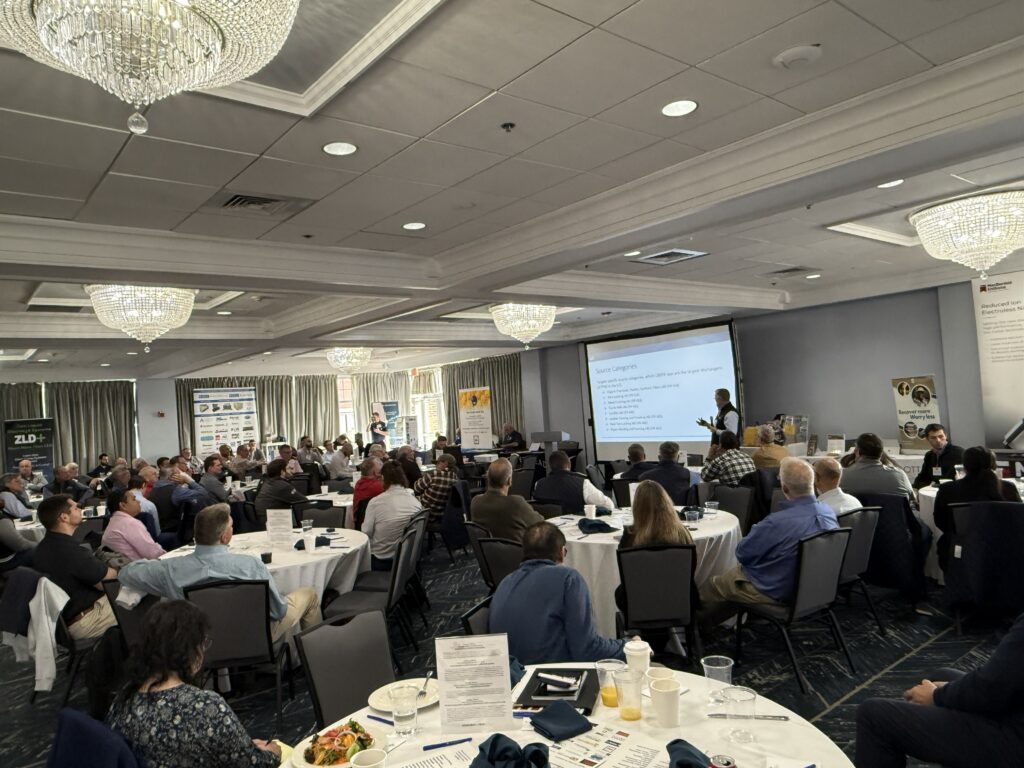
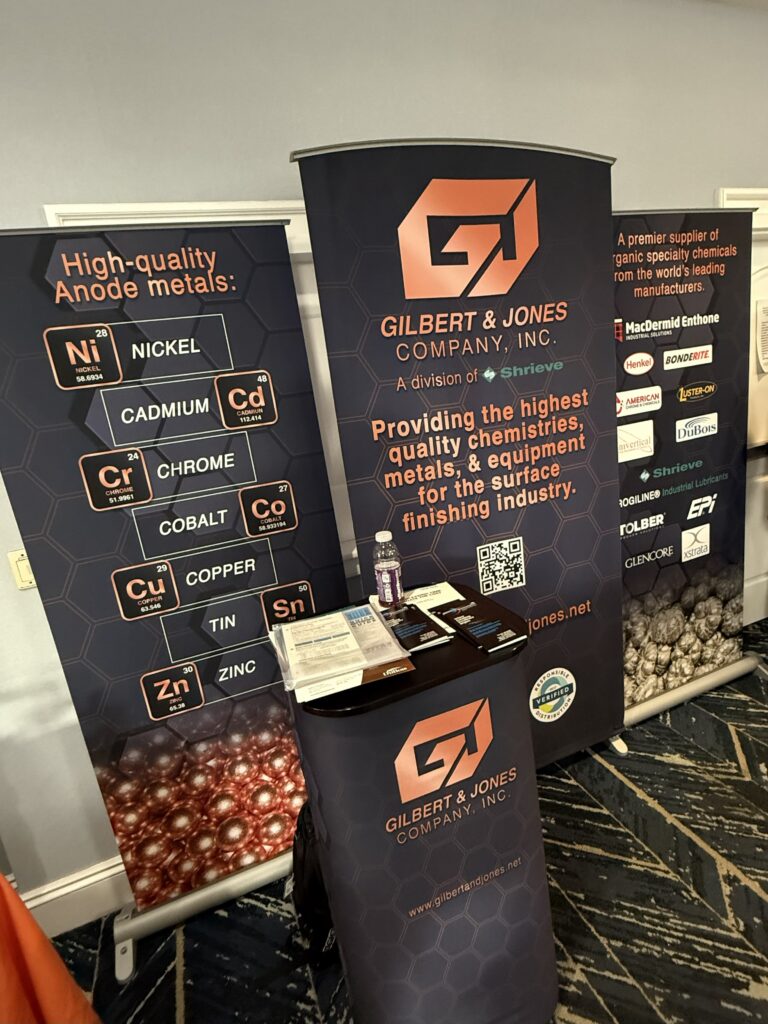
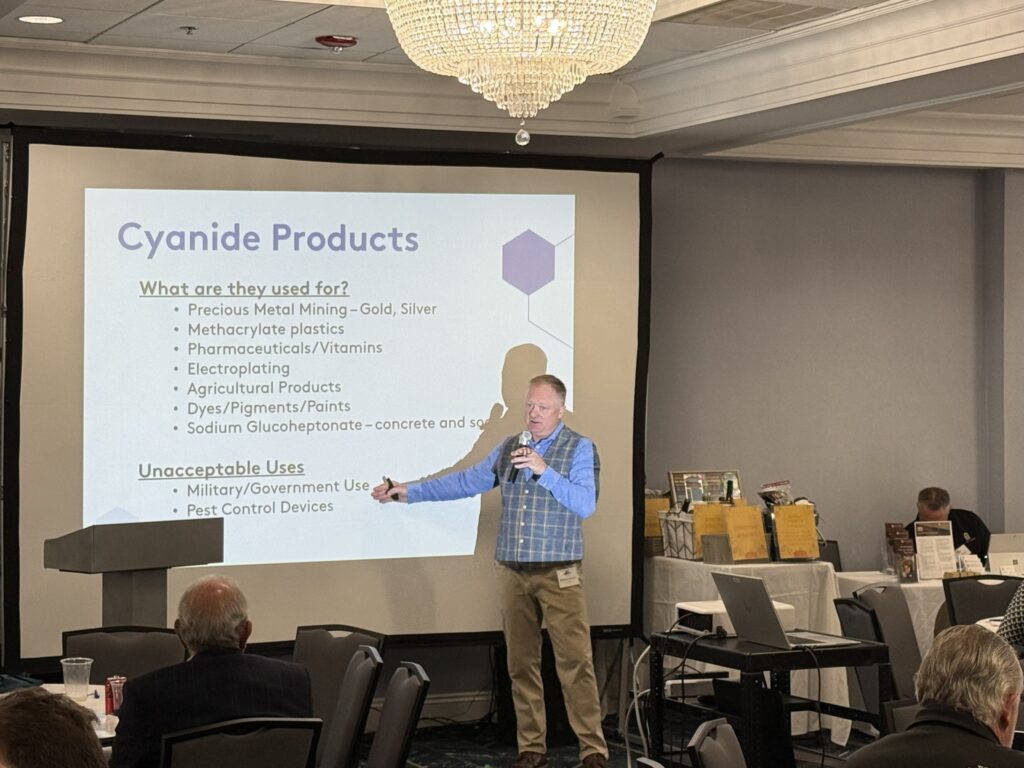
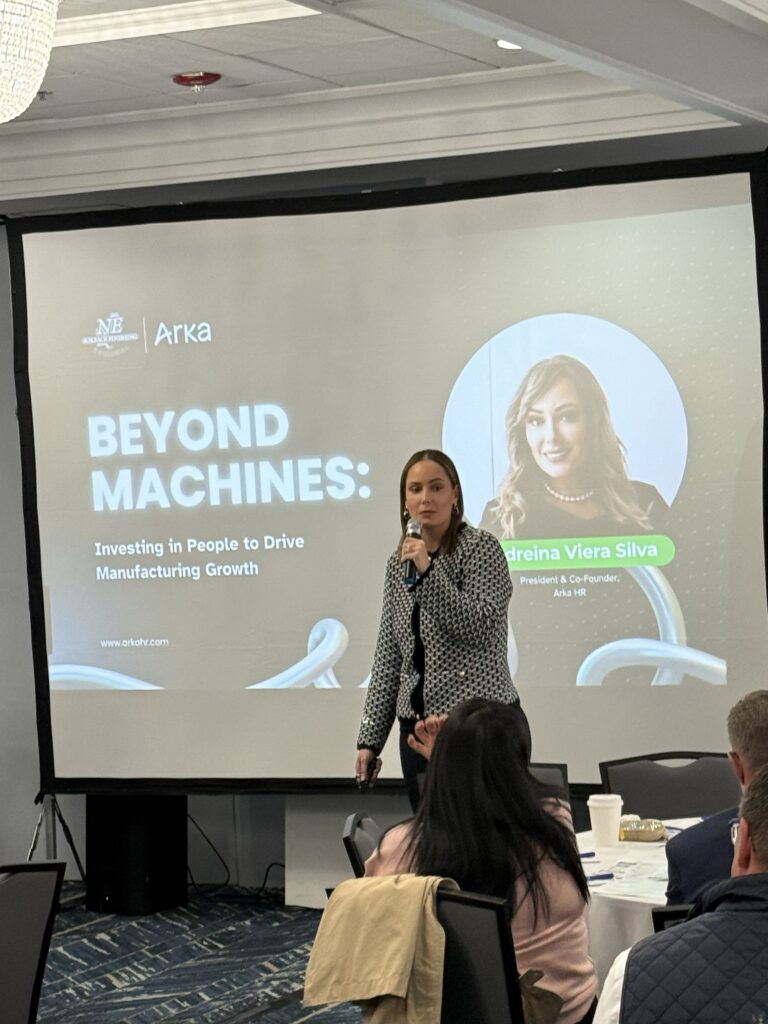
The New England Surface Finishing Regional took place this past Friday November 7th in Salem, Massachusetts. It was a huge success with a 125 people in attendance. There were speakers from all over the country that delivered educational and thoughtful presentations to all in attendance.

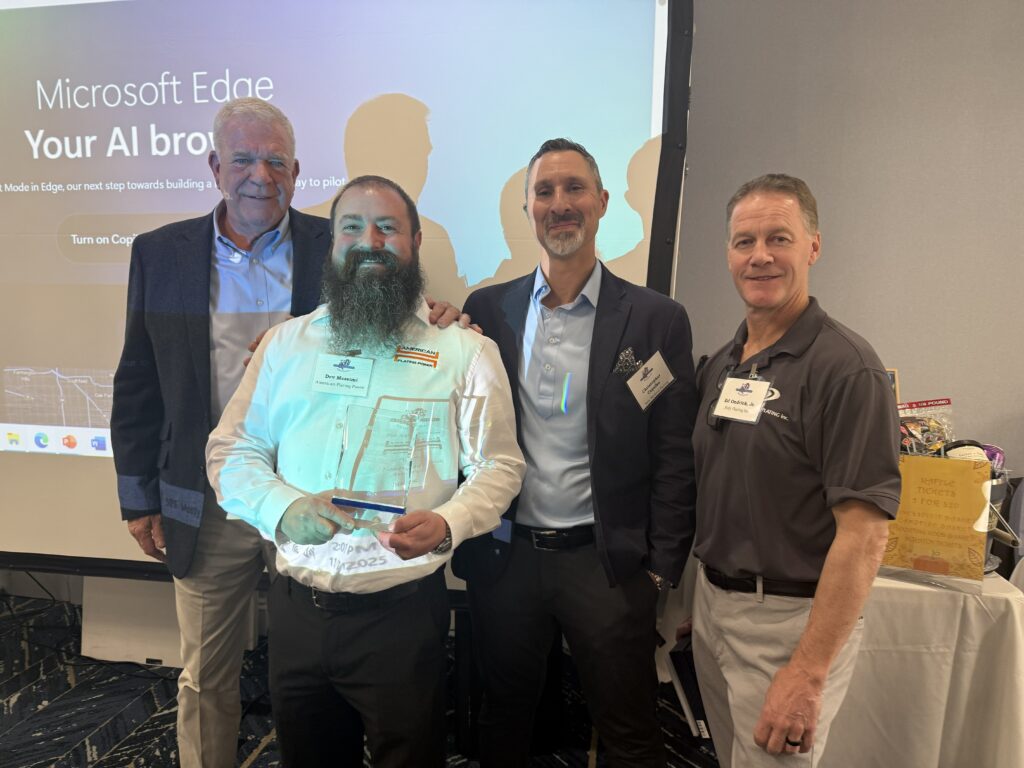
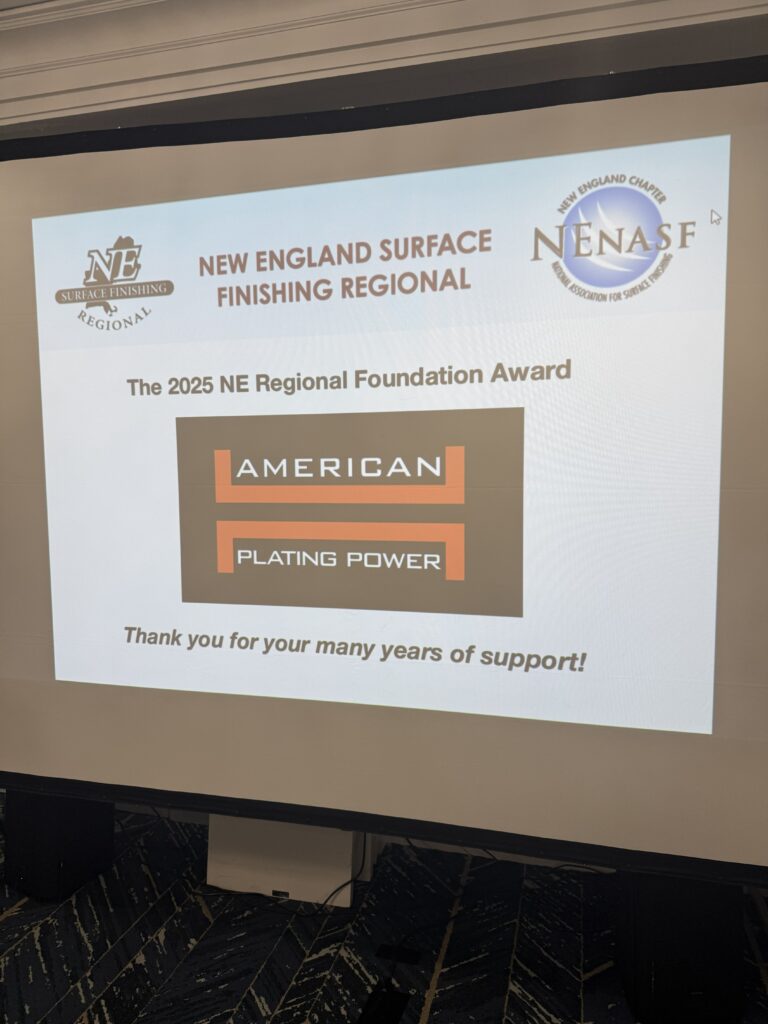
The New England Surface Finishing Regional is honored to have presented the 9th Annual Foundation Award to longtime supporter American Plating Power. The award was created to recognize a metal finishing supplier that has demonstrated outstanding contributions, support, and dedication to the annual regional event.

The 2026 the New England Surface Finishing Regional will be held November 6th in Newport, Rhode Island.

Please continue to follow www.nenasf.org all year for news and events throughout the New England metal finishing industry.
NENASF FALL WEBINAR SEPTEMBER 2025

Date: September 19, 2025
Category: Chapter News, Events, NASF Chapters, Regulation

New England Chapter of NASF Logo

The New England Chapter once again was pleased to offer a Wastewater Continuing Education Webinar for the benefit of our membership, and open to  the entire metal finishing community. The event took place on Wednesday September 17, 2025 from 10:00am to 12:00pm. This educational webinar was offered at no charge to NENASF members as a benefit of Chapter membership.

Almost forty attendees from the metal finishing community were in attendance.


As was the custom, the program was comprised of three speakers offering vital technical and regulatory compliance information key to the metal finishing community. All attendees were eligible for two Wastewater Continuing Education Contact Hours awarded by the Mass DEP.


Brock Helton, the Preventive Maintenance Manager from Crossair, LLC gave the opening presentation. His focus was on the latest exhaust fan and fume scrubber technologies with an emphasis on proper preventive maintenance to keep these units running properly to achieve peak compliance results.

This was followed with a presentation by John Tracy, VP of Global Business Development from Aclarity, who offered a presentation on the current very fluid regulatory climate on PFAS wastewater discharge regulations. John  offered a unique remediation solution to PFAS removal in waste water through the use of electrochemical destruction.

The final speaker was Brittany McKinney from PAVCO who addressed the attendees on the benefits of various Trivalent Chrome Plating options as a replacement for traditional Hexavalent Chrome Plating processes that are currently in the cross hairs of regulatory agencies throughout the country.


The NENASF Chapter wants to once again thank our presenters for their time and expertise offered in an effort to enhance the knowledge and awareness of the metal finishing community. Also, many thanks to the dedicated NENASF members who work so hard to make educational events like this possible.

NENASF ANNUAL HAZMAT and WASTEWATER SEMINAR 2025

Date: May 13, 2025
Category: Chapter News, Events, Member News, NASF Chapters, Regulation

The attendance was great as over thirty-five members NASF New England Chapter, along with members of the metal finishing community as a whole, attended a Seminar sponsored by the Chapter on May 7, 2025 at the Courtyard Marriott in Marlborough, Massachusetts. The event was primarily a training session enabling attendees to receive their mandatory annual RCRA HazMat. The four-hour Seminar also included speakers on wastewater effluent management and plating rectifier selection as a means of achieving plating success with minimal environmental disruption.

The instructor for the two-hour RCRA Hazmat segment of the Seminar was David Webster, Environmental Health and Safety Project Manager for HRP Associates out of their Farmington, Connecticut office. This two-hour session was a very detailed and intense training exercise with strong emphasis on possible pitfalls of incorrect hazardous waste handling and documentation, and was concluded with a written competency test prior to awarding of Certificates of Completion by HRP Associates for the RCRA Training.

Rob Sheldon of Aquasgroup in East Providence then offered a presentation about rinse water management, and how Zero Limit Discharge (ZLD) could be viewed as the future of metal finishing. He tied that into efficient equipment design, such as doing what can be simply achieved to initially minimize rinse water contamination, and the rewards of this approach in solving potential discharge challenges.

The afternoon Seminar was concluded with a presentation by Dev Massimi of American Plating Power who gave a presentation on the review process necessary when purchasing a new plating rectifier. This segment focused on factors to consider such as technologies available, degree of protection, ripple, correct sizing and control methods, to name a few. A power source that efficiently produces quality product can mean less chance for rejects. Reject rework can add additional unnecessary strain on wastewater discharge systems.

This Seminar, which was offered at no cost to the NENASF members, along with other events and educational opportunities offered by the New England Chapter, are just another reason to join and actively participate in all that local Chapter membership in the National Association for Surface Finishing has to offer. Thanks to all participants for allowing events like this to happen.

NENASF 2025 SPRING WEBINAR

Date: March 26, 2025
Category: Chapter News, Events, NASF Chapters

New England Chapter of NASF Logo


In keeping with the core values of The New England Chapter of The National Association for Surface Finishing, the Chapter was, once again, pleased to host a virtual Wastewater Continuing Education Webinar for the benefit of our membership, and the entire metal finishing community. The event was offered via Zoom format, at no charge to NENASF members, over a two-hour period from 10:00 am to 12:00 pm on Wednesday March 19, 2025.

This continuing education program was comprised of three speakers, and offered vital technical and regulatory compliance information to the metal finishing community. Attendees also qualified for two Continuing Education Wastewater Treatment Contact Hours as awarded by the Mass DEP, to be used towards Wastewater license renewal.

Dr. Bob Fan of Buck Scientific opened the Webinar with a presentation on the use of Atomic Absorption Spectrophotometry as, not only a wastewater discharge compliance tool, but also as an aid in process quality realization leading to less impact on a company’s wastewater treatment system.

This presentation was followed by a joint presentation by Robin Deal and Jeremy Morgan of Hubbard-Hall on Wastewater Treatment Operator responsibilities and training opportunities. This talk centered on balancing technical ability with wastewater operator licensing requirements, and interaction with plant processes and regulatory sewer authorities.

The closing speaker was Brian Morrill of GZA Geo Environmental whose presentation centered on the newly proposed modification to Commercial, Industrial and Institutional (CII) Multisector Stormwater General Permit (MSGP).

As many as 3000 properties that are currently exempt may now be included.

Quarterly PFAS stormwater testing could become a mandatory requirement.

Thank you to all of the Speaker Facilitators for their time, expertise and overall contribution to making this educational opportunity available to the metal finishing community. Special thanks, once again, to Chris Capalbo as Program Moderator and all NENASF Board Members, Committee Members, Chapter Membership and dedicated and talented members of the Metal Finishing Community as a whole for making events such as this available for the benefit of our membership.  Over three dozen members of the NENASF and metal finishing community were in attendance and benefited from this program.

In Memoriam – George Abelli

Date: March 20, 2025
Category: Chapter News, Member News, NASF Chapters, Obituaries

George Abelli

It is with sadness that we, the staff of F.M. Callahan & Son, must report the news that our beloved co-worker, George Abelli, has suddenly passed away. George, with his broad knowledge of metal finishing, has been a core contributor to our success over the past few decades. He served our clients well, providing them valuable insight into how their parts can be treated to enhance their performance over a long period of time. George spoke often to clients on the phone and was a subject matter expert when clients visited our facility. He will be dearly missed, not just for his expertise, but also because he was our friend.


Your friends at F.M. Callahan & Son

Older posts